Introduction: Understanding Cervical Pain, Vertigo & Headaches
A Real Patient Story from Aryan Physiotherapy, Osteopathy & Manipulation Clinic
Aayush visited Aryan Physiotherapy, Osteopathy & Manipulation Clinic, Dalanwala, Dehradun with persistent neck pain, frequent headaches, episodes of vertigo (dizziness), neck stiffness and difficulty performing daily activities comfortably. His symptoms had gradually started affecting his work, concentration, confidence and overall quality of life.
After a detailed physiotherapy and osteopathic assessment, our team identified cervical dysfunction and associated musculoskeletal impairments that were contributing to his symptoms. Rather than focusing only on symptom relief, we designed a comprehensive rehabilitation program aimed at addressing the underlying biomechanical and functional causes.
What is Cervical Pain?
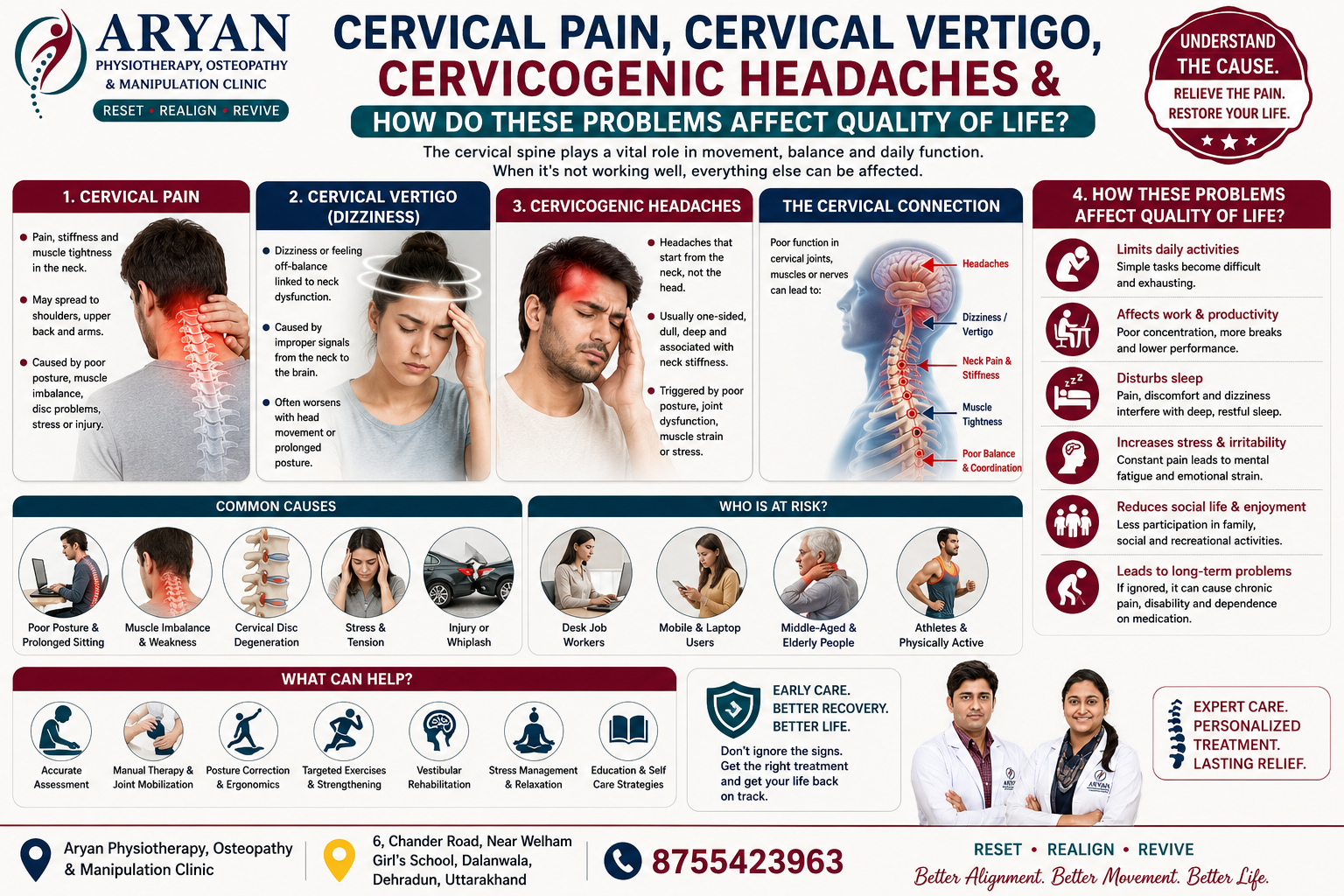
Cervical pain refers to pain originating from the neck region involving muscles, joints, ligaments, intervertebral discs or nerves.
Common symptoms include:
- Neck stiffness
- Difficulty turning the head
- Muscle tightness
- Shoulder pain
- Pain radiating into the arm
- Tingling or numbness
- Reduced neck mobility
Poor posture, prolonged computer work, smartphone overuse, stress, previous injuries and age-related degeneration are common contributing factors.
What is Cervical Vertigo?
Cervical vertigo (also called cervicogenic dizziness) is dizziness believed to originate from abnormal signals arising from the cervical spine.
Patients commonly report:
- Feeling off-balance
- Spinning sensation
- Lightheadedness
- Difficulty walking confidently
- Dizziness while turning the head
- Motion sensitivity
It is frequently associated with cervical muscle tightness, restricted joints, poor posture and altered proprioception.
What are Cervicogenic Headaches?
Cervicogenic headaches originate from dysfunction in the upper cervical spine.
Unlike migraine, these headaches often:
- Begin from the neck
- Spread towards the back of the head
- Extend to the forehead or around one eye
- Increase after prolonged sitting
- Worsen with neck movements
Proper assessment is essential because many patients continue treating headaches with medication while the underlying neck dysfunction remains untreated.
How Do These Problems Affect Quality of Life?
Persistent cervical pain and associated dizziness can interfere with almost every aspect of daily life.
Patients frequently experience:
- Difficulty driving
- Reduced work productivity
- Poor concentration
- Disturbed sleep
- Fear of movement
- Anxiety due to recurrent dizziness
- Reduced physical activity
- Fatigue
- Poor posture
- Decreased confidence during walking
Without appropriate rehabilitation, symptoms may become chronic and significantly affect physical as well as mental wellbeing.
Advanced Treatment Approach at Aryan Physiotherapy, Osteopathy & Manipulation Clinic
Every patient receives an individualized treatment plan based on detailed clinical examination rather than a one-size-fits-all protocol.
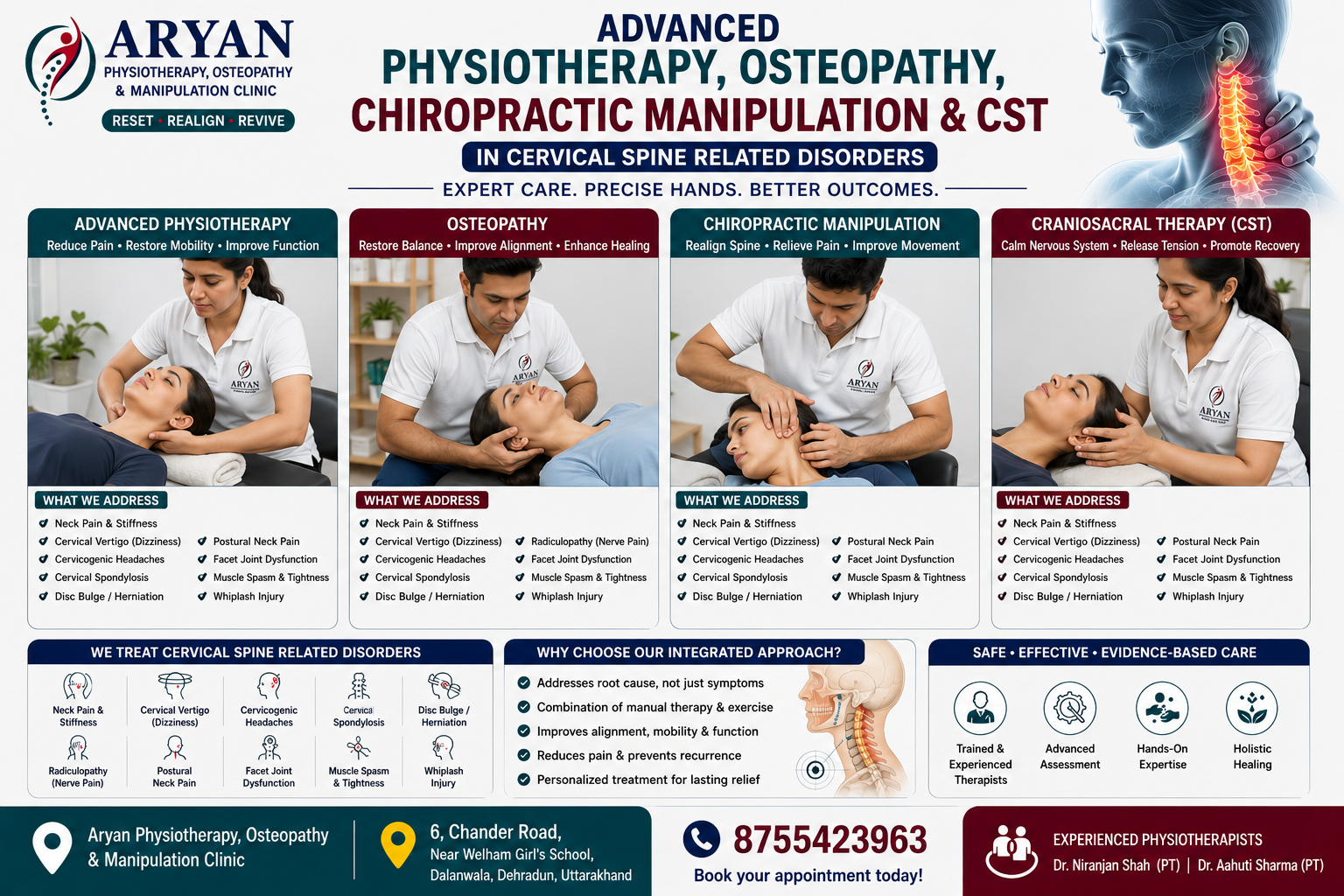
Advanced Physiotherapy
Our evidence-based physiotherapy program focuses on restoring movement, reducing pain and improving function.
Treatment may include:
- Manual therapy
- Joint mobilization
- Soft tissue release
- Therapeutic exercises
- Deep cervical muscle activation
- Vestibular rehabilitation (when indicated)
- Neuromuscular re-education
- Postural correction
- Functional rehabilitation
The goal is to improve mobility, reduce pain and prevent recurrence.
Osteopathy
Osteopathy uses gentle hands-on techniques to improve the body’s natural movement.
Treatment aims to:
- Restore joint mobility
- Reduce muscle tension
- Improve circulation
- Enhance tissue healing
- Improve spinal biomechanics
- Promote whole-body balance
Rather than treating only the painful area, osteopathy considers the relationship between the spine, muscles, fascia and posture.
Chiropractic Manipulation
When clinically appropriate and after proper screening, spinal manipulation may be incorporated to restore joint mobility.
Potential benefits include:
- Improved cervical movement
- Reduced joint stiffness
- Better spinal mechanics
- Improved posture
- Enhanced functional mobility
Manipulation is always performed only after a thorough assessment and when there are no contraindications.
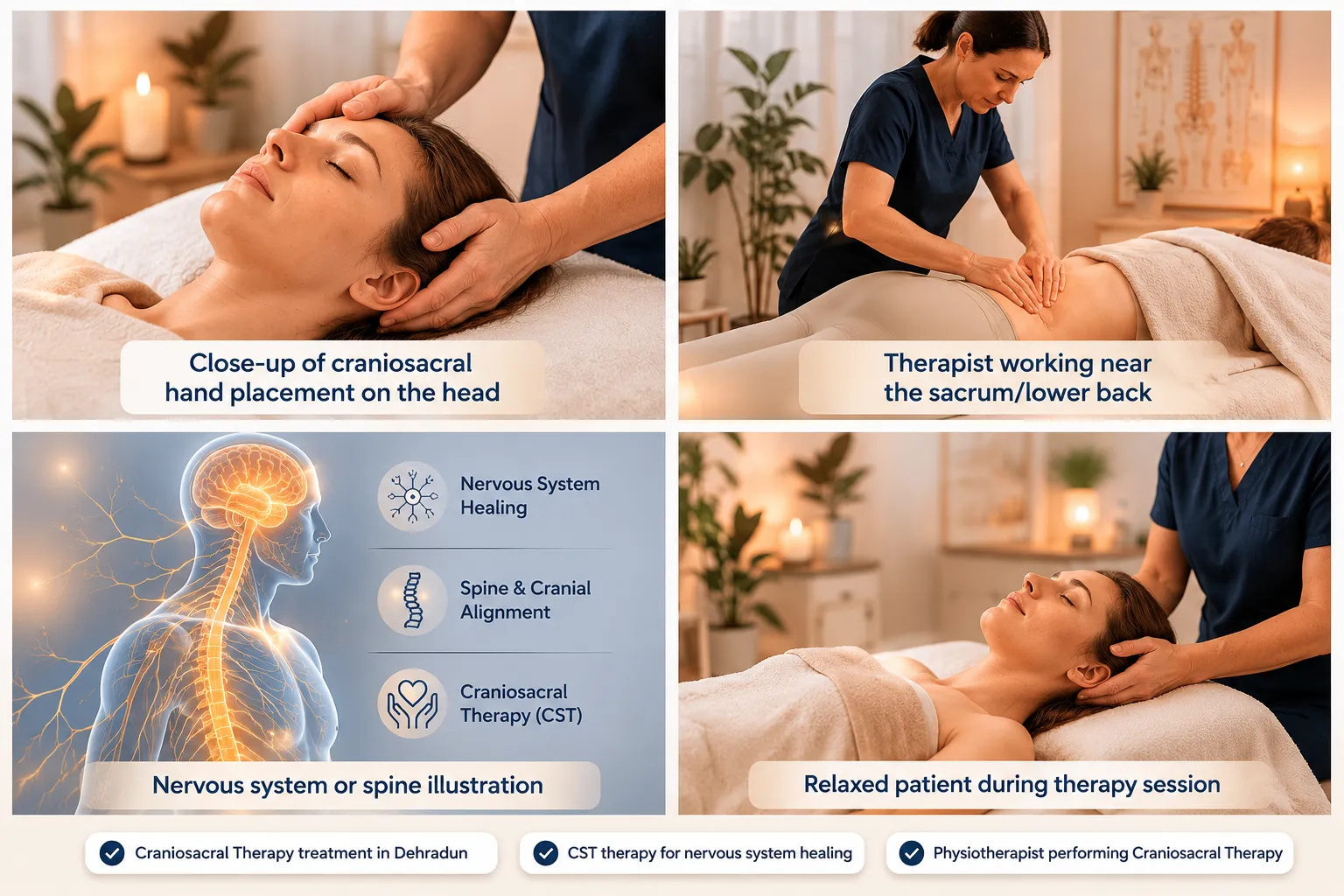
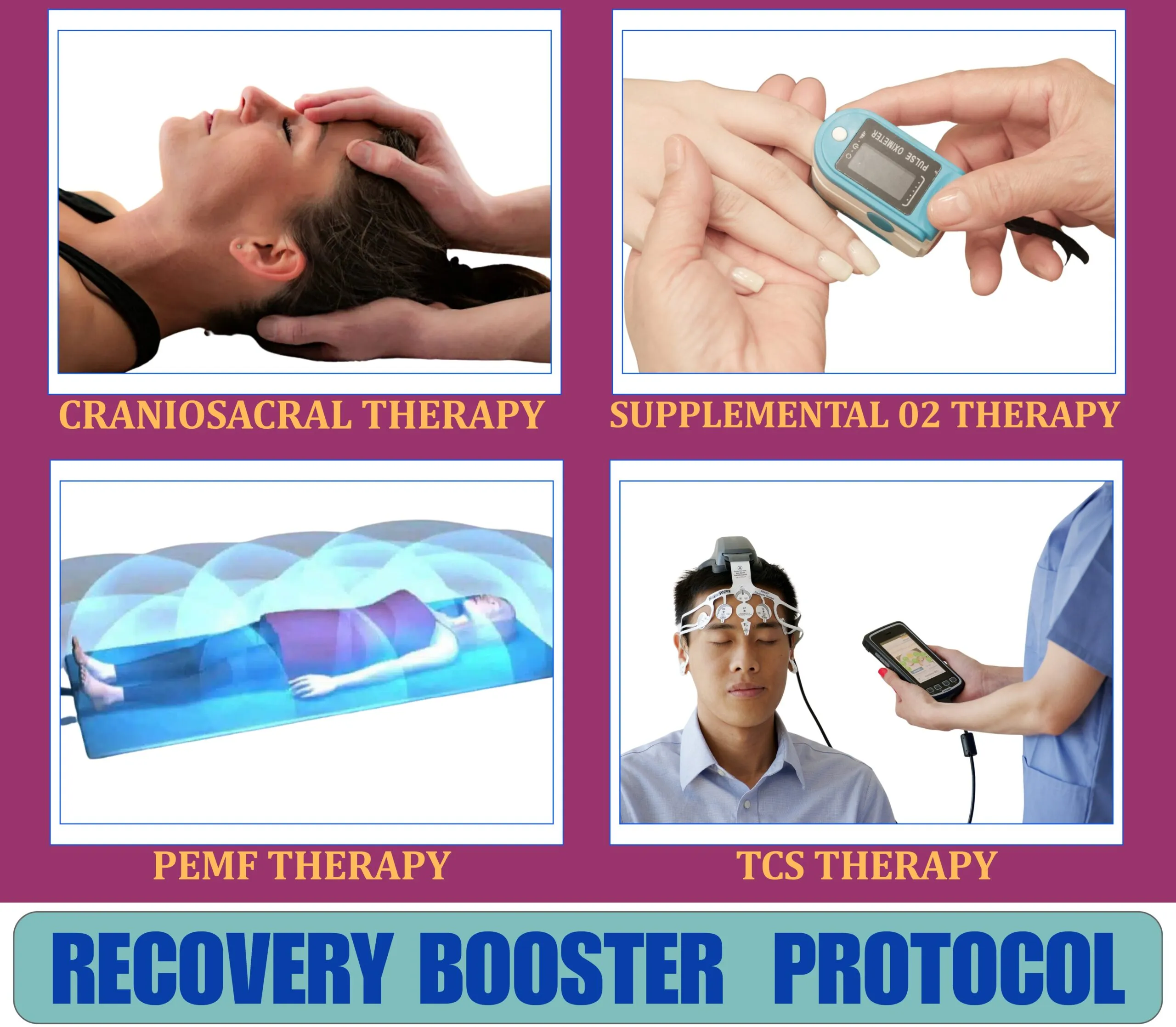
Craniosacral Therapy (CST)
Craniosacral Therapy is a gentle manual therapy technique used to reduce excessive tension within the craniosacral system.
Potential benefits include:
- Reduced muscle guarding
- Improved relaxation
- Better autonomic nervous system regulation
- Reduced stress
- Improved sleep quality
- Enhanced overall wellbeing
CST is integrated as part of a comprehensive rehabilitation plan rather than used in isolation.
Our Goal
Instead of simply masking pain, our objective is to:
- Identify the root cause
- Restore normal movement
- Improve posture
- Reduce dizziness
- Improve neck stability
- Enhance daily function
- Reduce recurrence
Home Care Protocol for Long-Term Recovery
Successful rehabilitation continues beyond the clinic. Consistency with home care is essential for lasting results.
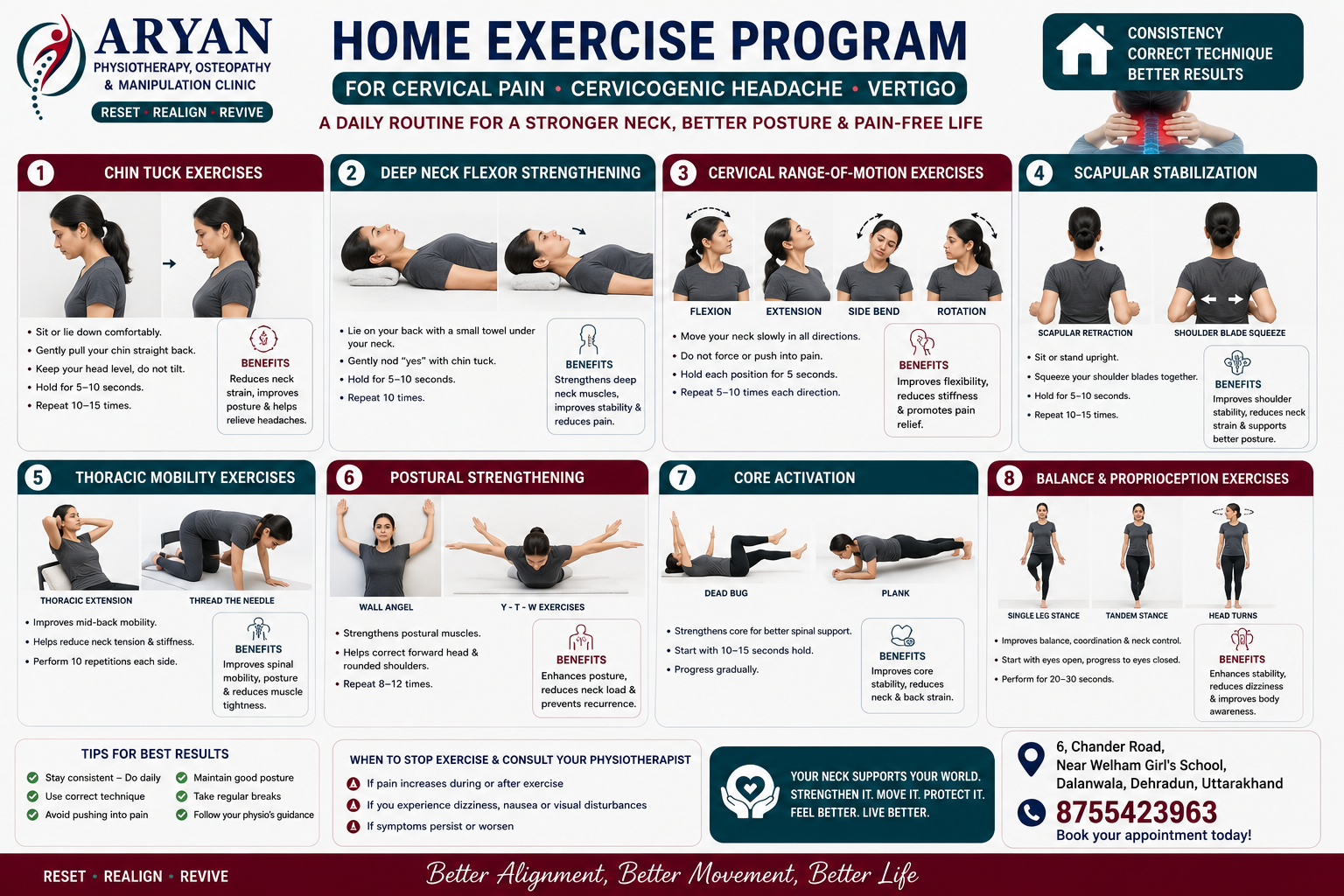
Home Exercise Program
Patients are advised to perform individualized exercises prescribed after assessment. Depending on the condition, these may include:
- Chin tuck exercises
- Deep neck flexor strengthening
- Cervical range-of-motion exercises
- Scapular stabilization
- Thoracic mobility exercises
- Postural strengthening
- Core activation
- Balance and proprioception exercises
Exercises should be performed correctly and progressed gradually under professional guidance.
Ergonomic Modifications
Simple changes in daily habits can reduce strain on the cervical spine:
- Keep screens at eye level.
- Avoid prolonged neck flexion while using mobile phones.
- Maintain lumbar support while sitting.
- Keep shoulders relaxed.
- Take movement breaks every 30–40 minutes.
- Use a headset for long phone calls.
- Lift objects using proper body mechanics.
- Avoid carrying heavy bags on one shoulder.
Sleep Hygiene
Sleep plays a vital role in tissue recovery and pain modulation.
Recommendations include:
- Maintain a regular sleep schedule.
- Use a supportive pillow that keeps the neck in a neutral position.
- Avoid sleeping on the stomach.
- Aim for 7–9 hours of quality sleep each night.
Hydration & Nutrition
Proper hydration supports muscle function and overall health.
General recommendations:
- Drink adequate water throughout the day.
- Consume a balanced diet rich in protein, fruits and vegetables.
- Maintain a healthy body weight to reduce mechanical stress.
Stress Management
Stress can increase muscle tension and amplify pain perception.
Helpful strategies include:
- Deep breathing exercises
- Meditation
- Mindfulness
- Gentle walking
- Yoga (when appropriate)
- Regular physical activity
- Adequate sleep
- Work-life balance
Managing stress is an important component of comprehensive rehabilitation.
Frequently Asked Questions
1. What causes cervical pain?
Cervical pain can result from poor posture, muscle strain, cervical spondylosis, disc problems, prolonged screen use, injuries or joint dysfunction.
2. Can neck pain cause vertigo?
Yes. Some people experience cervicogenic dizziness due to dysfunction in the cervical spine, though other causes of vertigo should also be evaluated.
3. Can physiotherapy help cervical vertigo?
Yes. Following proper assessment, physiotherapy may include exercises and manual techniques to address contributing cervical dysfunction.
4. What is cervicogenic headache?
It is a headache that originates from dysfunction in the cervical spine and surrounding structures.
5. Is cervical pain treatable without surgery?
Many patients improve with conservative management, including physiotherapy, depending on the underlying diagnosis.
6. What is the best physiotherapy treatment for neck pain in Dehradun?
A personalized program based on detailed assessment, including manual therapy, exercise therapy and posture correction, is often the most effective approach.
7. Can poor posture cause headaches?
Yes. Poor posture may contribute to increased stress on cervical muscles and joints, potentially leading to cervicogenic headaches.
8. What are the symptoms of cervical spondylosis?
Common symptoms include neck pain, stiffness, headaches, reduced mobility and, in some cases, arm pain or numbness.
9. Can osteopathy help neck pain?
Osteopathy may help improve joint mobility, reduce muscle tension and support overall function as part of a comprehensive treatment plan.
10. Is chiropractic manipulation safe?
When performed by a qualified professional after appropriate assessment and screening, it can be suitable for selected patients.
11. How long does recovery from cervical pain take?
Recovery varies depending on the cause, severity, general health and adherence to the treatment plan.
12. Can mobile phone use worsen neck pain?
Yes. Prolonged forward head posture during smartphone use can increase stress on the cervical spine.
13. Which pillow is best for neck pain?
A pillow that maintains the neck in a neutral position is generally recommended, though individual needs vary.
14. Can stress increase neck pain?
Yes. Stress may contribute to increased muscle tension and heightened pain perception.
15. Do I need an MRI for neck pain?
Not always. Imaging is recommended only when clinically indicated after evaluation.
16. Can exercises cure cervical pain?
Exercises help improve strength, mobility and function, but they should be individualized based on assessment.
17. What should I avoid if I have cervical pain?
Avoid prolonged poor posture, sudden neck movements, heavy lifting without proper technique and extended periods of inactivity.
18. Where can I find a physiotherapist for cervical pain in Dehradun?
Aryan Physiotherapy, Osteopathy & Manipulation Clinic in Dalanwala provides comprehensive assessment and individualized rehabilitation for cervical pain, headaches and related conditions.
19. Is dizziness always caused by the neck?
No. Dizziness can have many causes. A thorough medical and physiotherapy assessment is important to identify the source.
20. How can I book an appointment for cervical pain treatment in Dehradun?
You can contact Aryan Physiotherapy, Osteopathy & Manipulation Clinic, 6 Chander Road, near Welham Girl’s School, Dalanwala, Dehradun, to schedule a detailed assessment and personalized treatment plan.