Recovery Booster Protocol
A New Integrative Healing Approach at Aryan Physiotherapy, Osteopathy & Manipulation Clinic
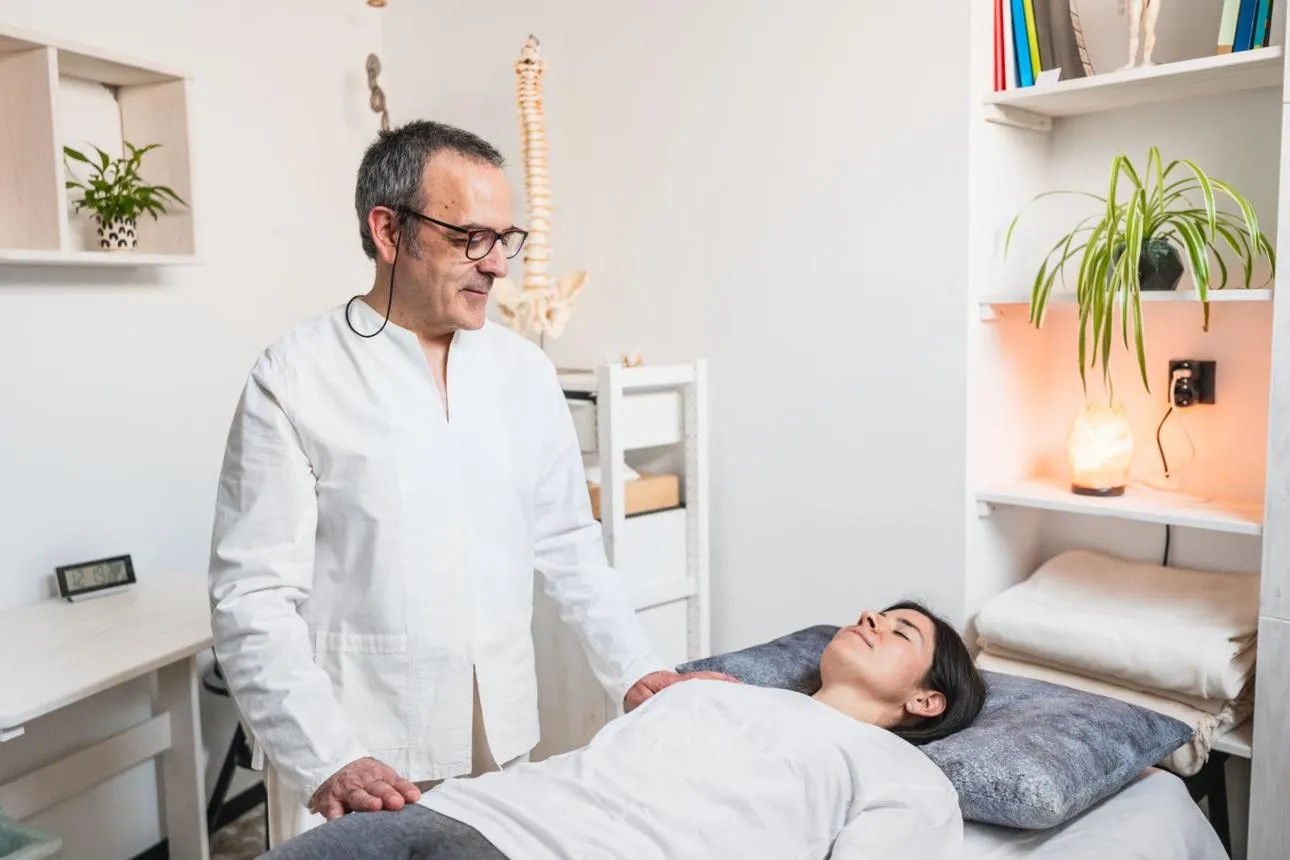
At Aryan Physiotherapy, Osteopathy & Manipulation Clinic, we believe that true healing happens when the body, brain, nervous system, and cellular recovery processes work together in harmony.
That philosophy inspired the development of our latest integrative wellness program — the Recovery Booster Protocol.
This advanced protocol combines multiple non-invasive therapeutic technologies and hands-on techniques designed to support:
- Faster recovery
- Better nervous system regulation
- Pain reduction
- Improved mental clarity
- Tissue healing
- Stress reduction
- Functional movement optimization
The protocol currently integrates:
- Craniosacral Therapy (CST)
- Supplemental Oxygen Therapy
- Pulsed Electromagnetic Field Therapy (PEMF)
- Transcranial Current Stimulation (TCS/tDCS-based stimulation)
Rather than focusing only on symptoms, this approach aims to support the body’s natural healing capacity through neurological, biomechanical, and cellular recovery pathways.
Why We Developed This Protocol?
Modern patients often present with complex combinations of:
- Chronic pain
- Fatigue
- Stress overload
- Sleep disturbance
- Postural dysfunction
- Delayed healing
- Burnout
- Post-surgical recovery challenges
Traditional rehabilitation methods are highly valuable, but many individuals benefit from a broader, multi-system recovery approach.
The Recovery Booster Protocol was designed to bridge:
- Physical rehabilitation
- Neurological regulation
- Recovery science
- Manual therapy
- Bioelectrical stimulation
- Oxygen-based support therapies
Components of the Recovery Booster Protocol?
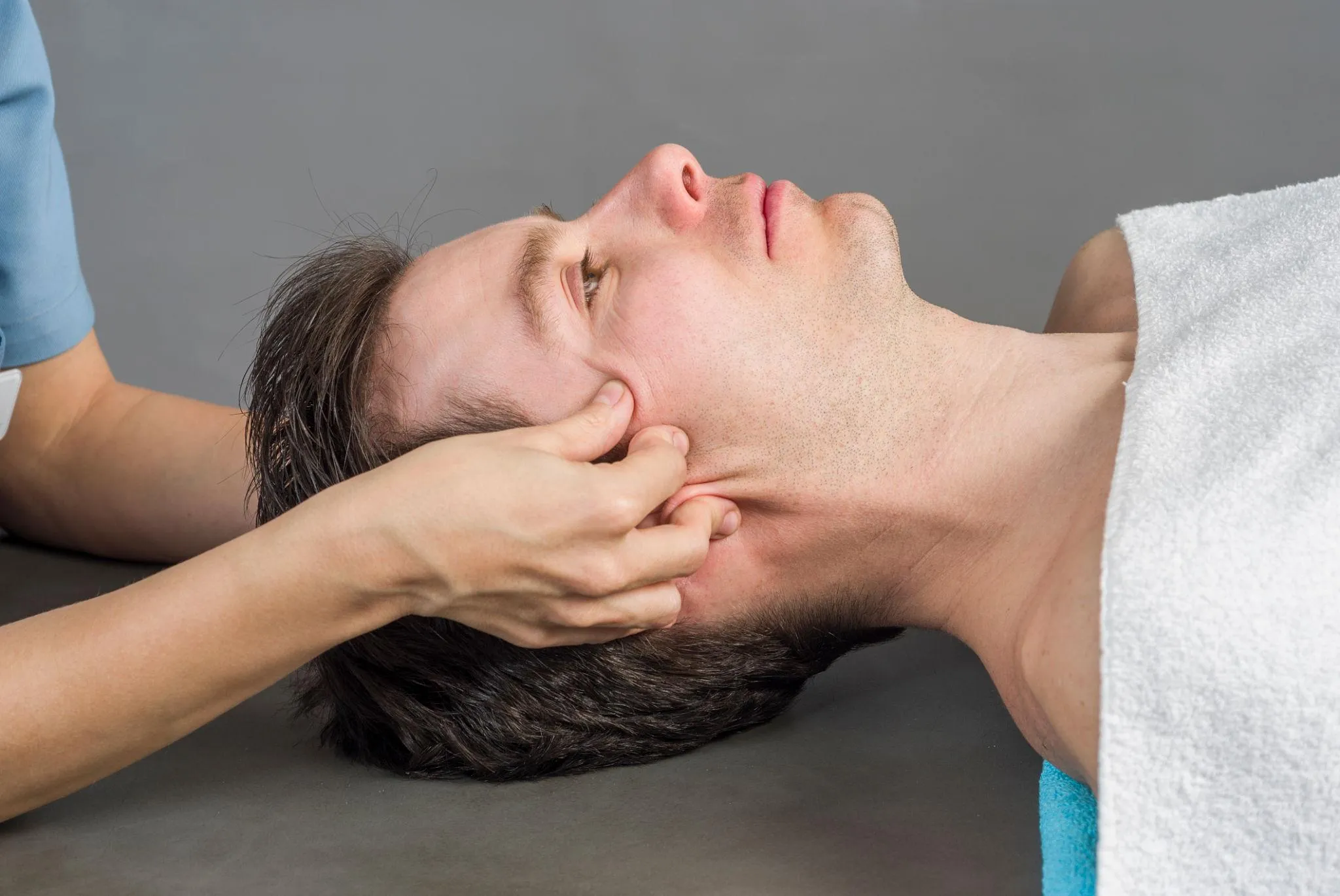
1. Craniosacral Therapy (CST)
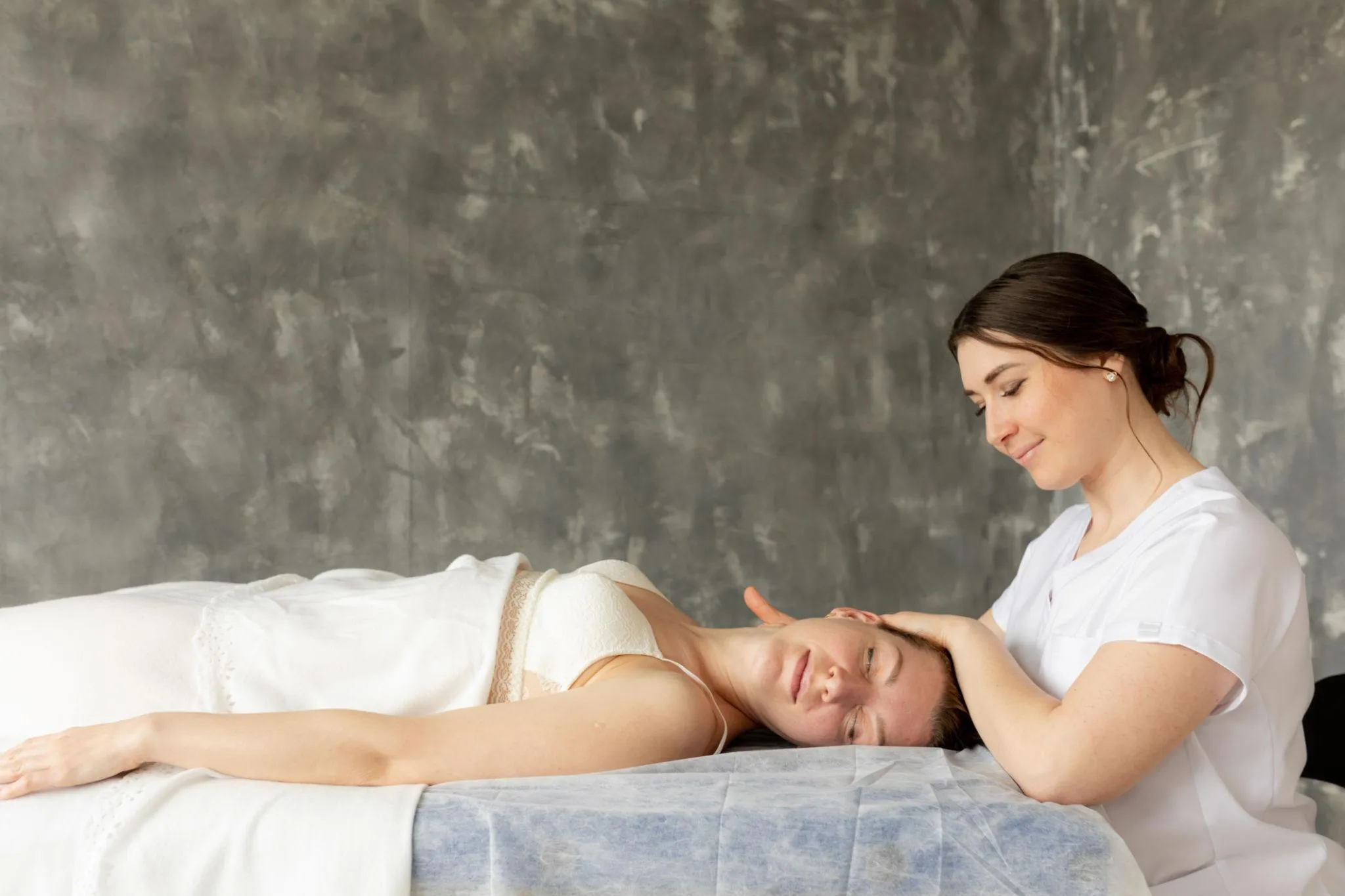
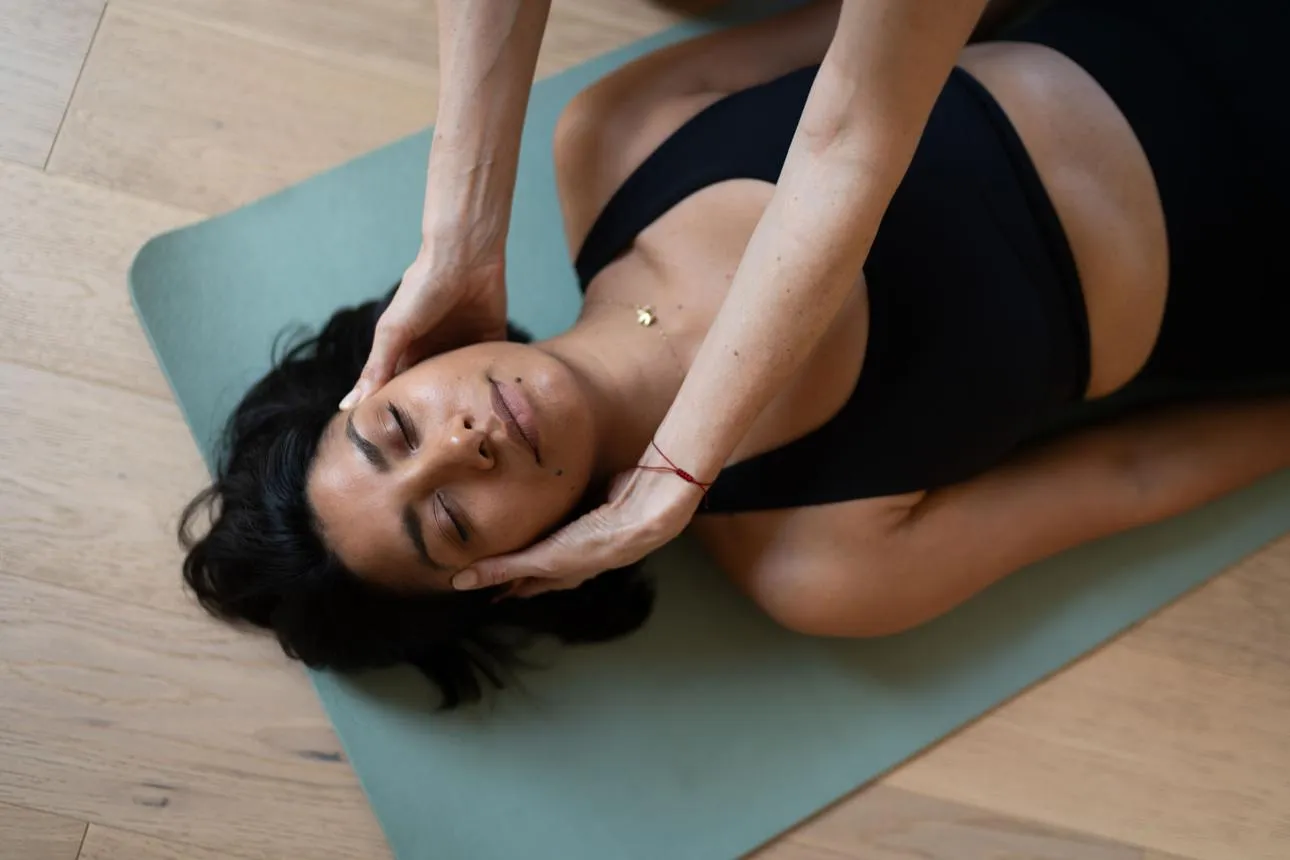
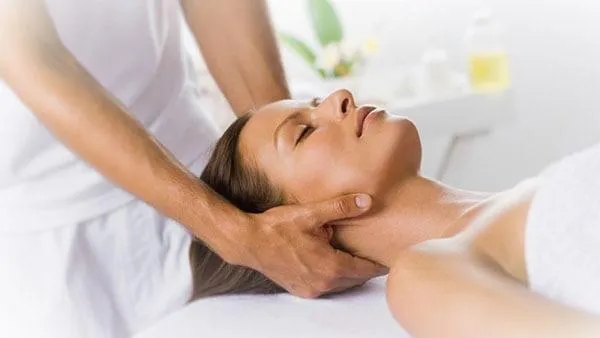
Craniosacral Therapy is a gentle hands-on therapy focused on the craniosacral system — the membranes and fluid surrounding the brain and spinal cord.
The goal is to reduce tension patterns, improve relaxation, and support nervous system balance.
Patients commonly report:
- Deep relaxation
- Reduced stress
- Better sleep quality
- Reduced headache intensity
- Improved body awareness
Scientific evidence regarding CST remains mixed. Some recent systematic reviews suggest possible benefits for pain and relaxation, while other reviews conclude that more high-quality research is still needed.
2. Supplemental Oxygen Therapy
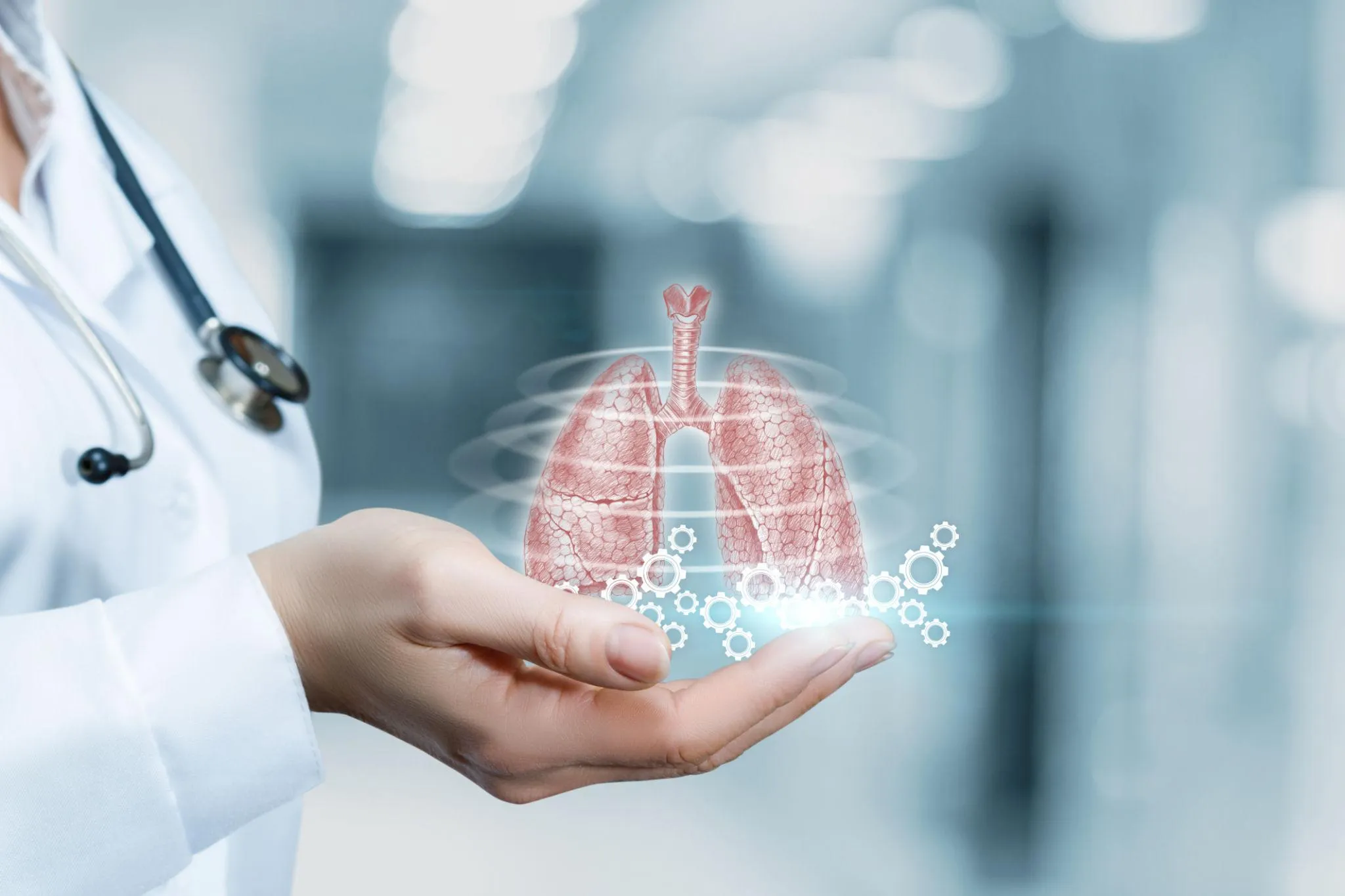
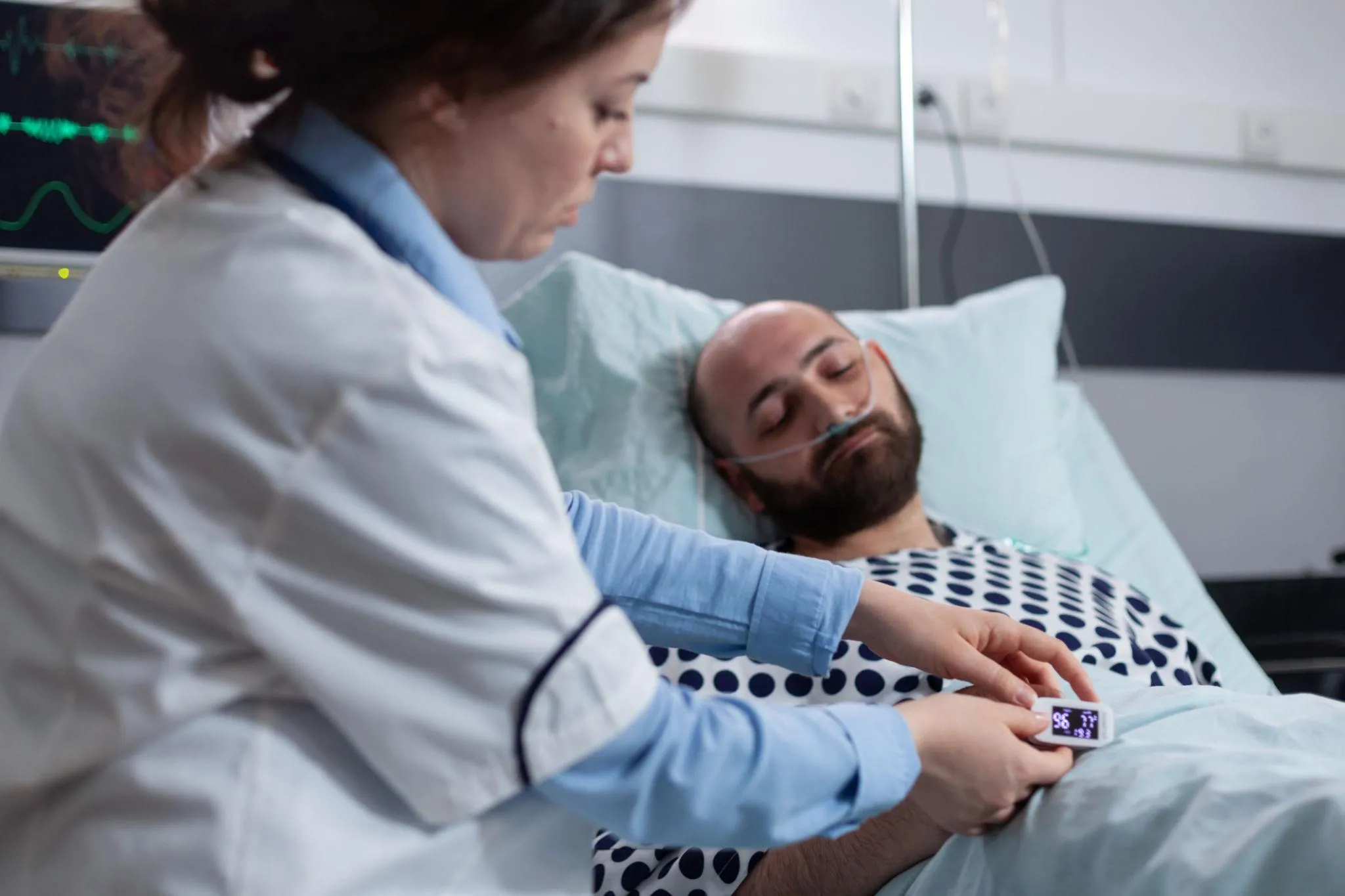
Oxygen plays a vital role in cellular metabolism, tissue repair, and energy production.
Supplemental oxygen support may help improve:
- Oxygen delivery
- Recovery support in delayed recovery
- Speedy recovery
- Relaxation
- Energy levels
- Rehabilitation tolerance
In rehabilitation settings, oxygen optimization is often used to support recovery and improve physiological efficiency during healing processes.
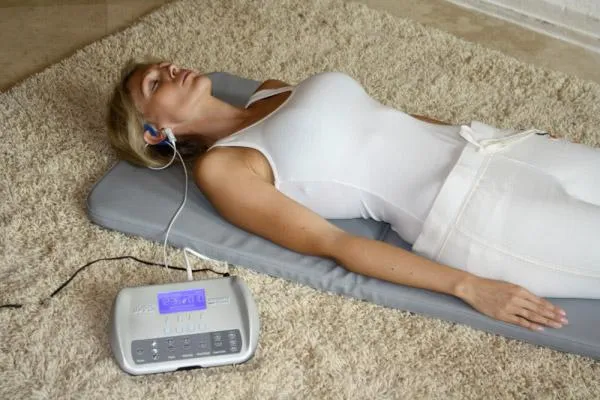
3. Pulsed Electromagnetic Field Therapy (PEMF)
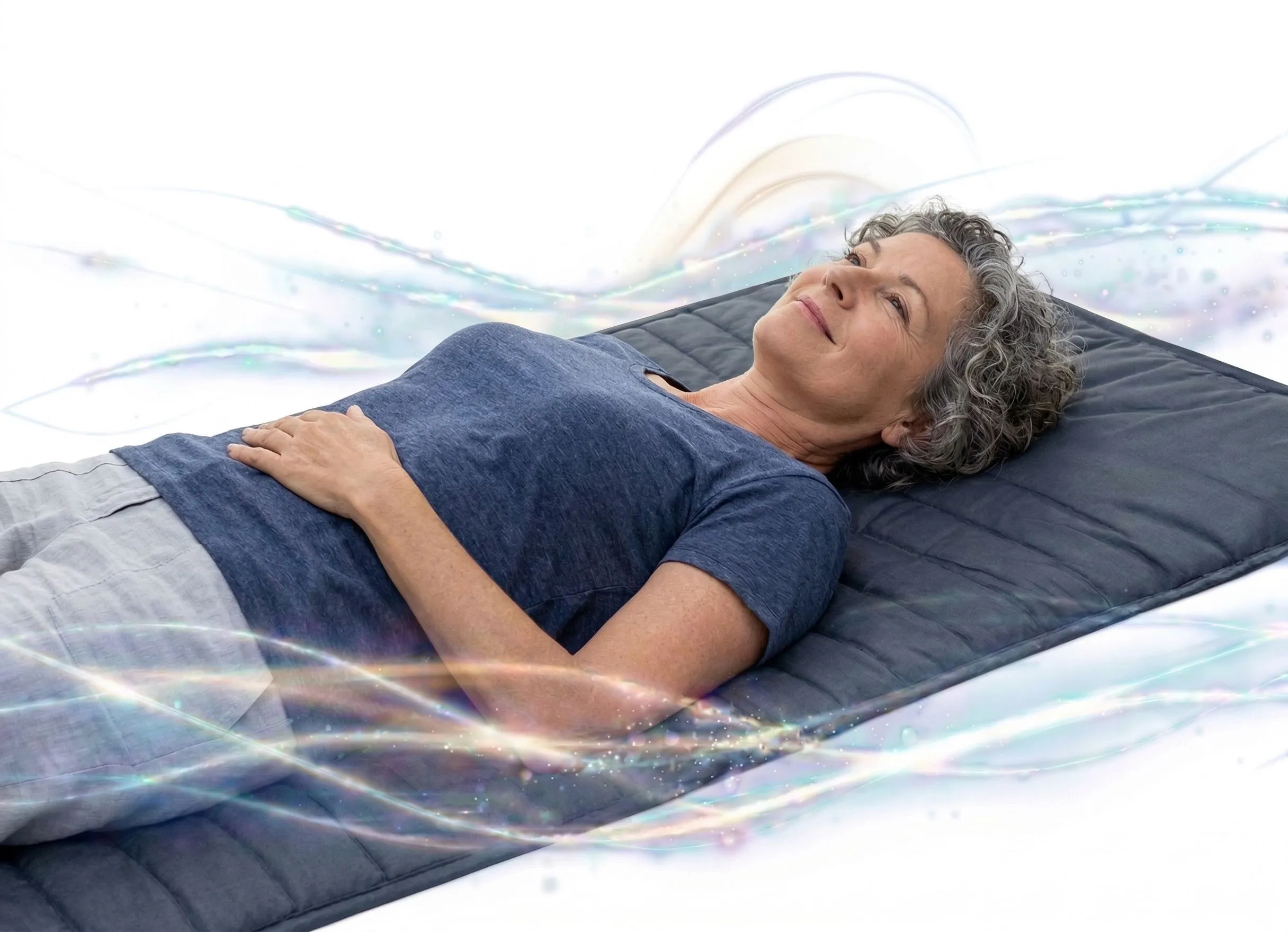
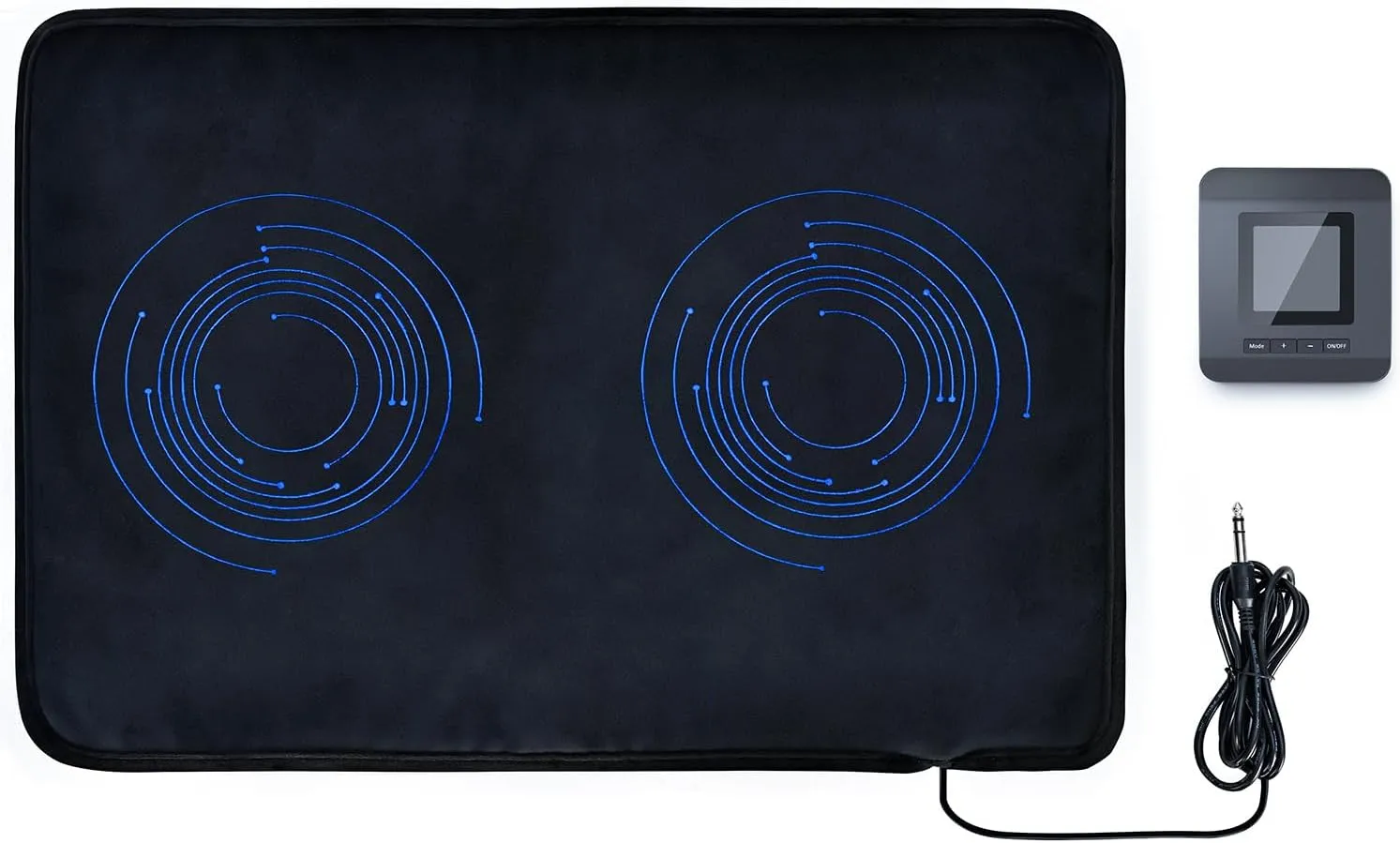
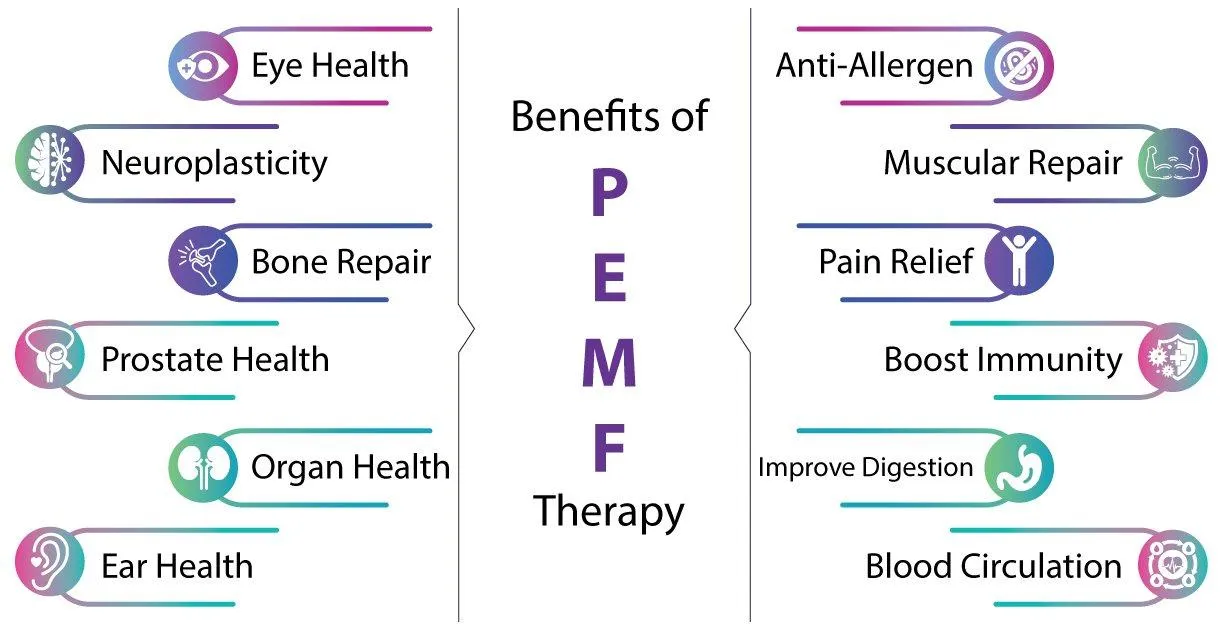
PEMF therapy uses low-frequency electromagnetic fields intended to influence cellular activity and tissue recovery.
Research suggests PEMF therapy may support:
- Pain modulation
- Circulation
- Tissue repair
- Bone healing
- Musculoskeletal rehabilitation
Several recent reviews report improvements in pain and function in selected musculoskeletal conditions, though treatment protocols and evidence quality vary across studies.
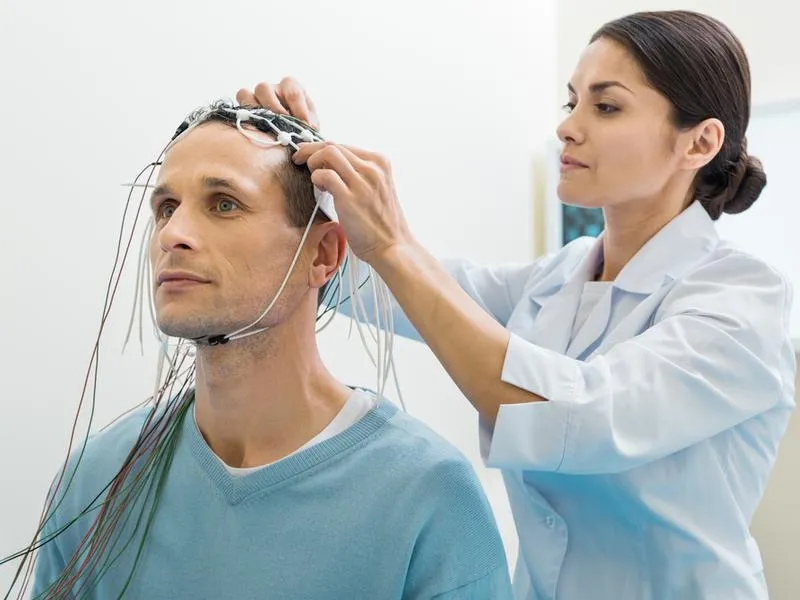
4. Transcranial Current Stimulation (TCS / tDCS-Based Therapy)
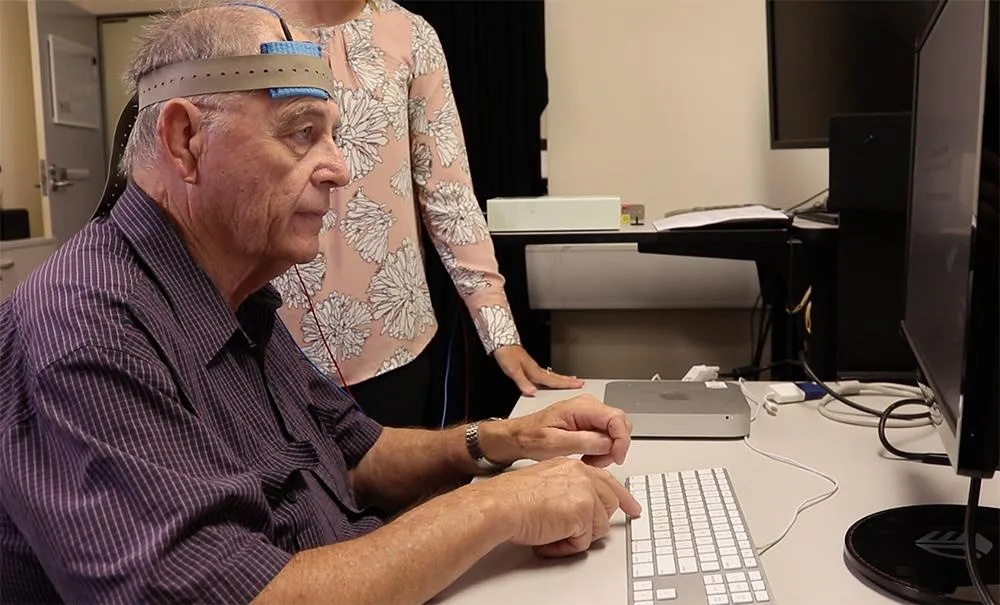
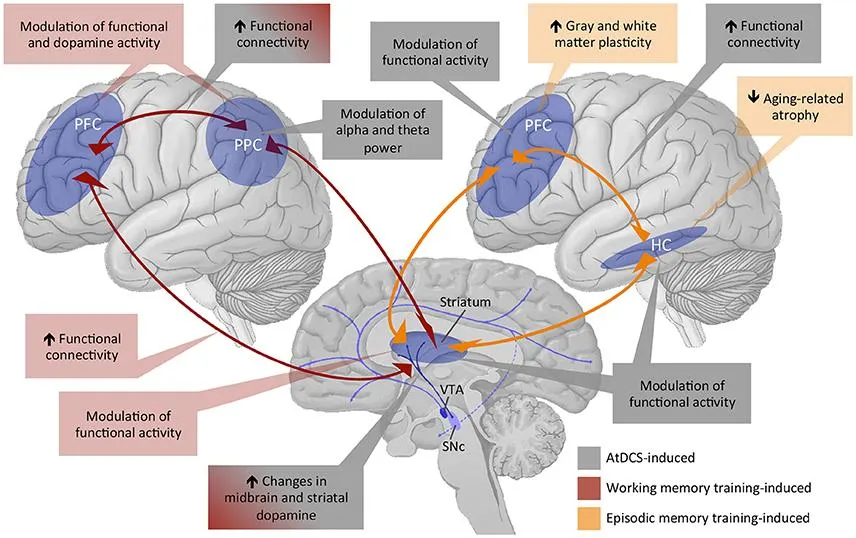
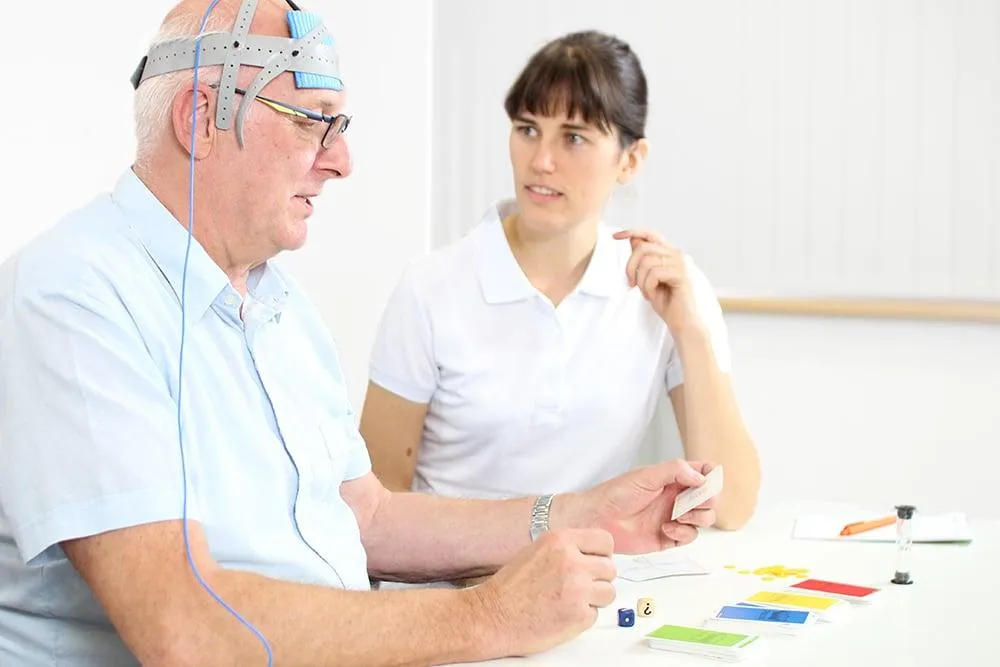
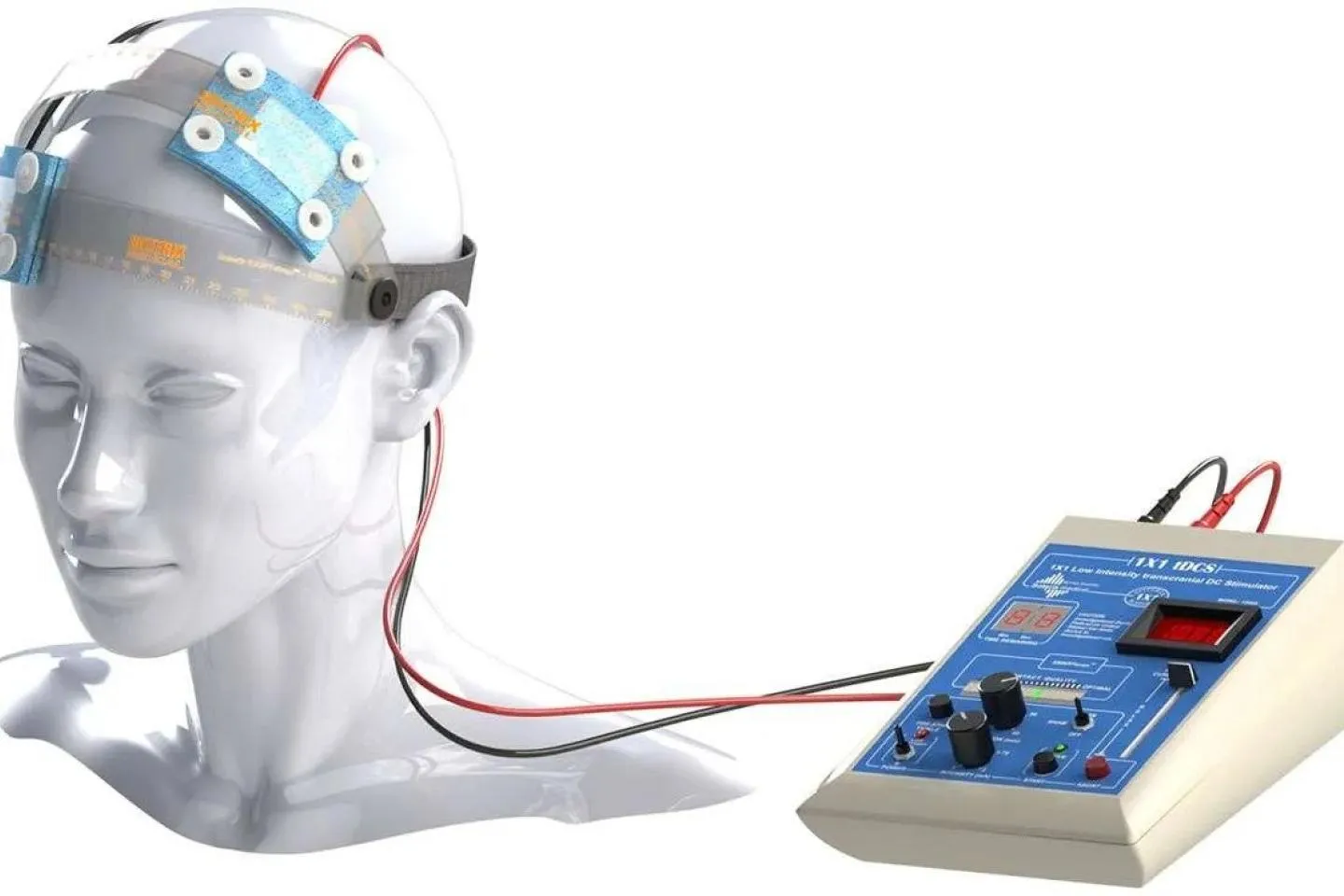
Transcranial Current Stimulation is a non-invasive neuromodulation technique that applies low-intensity electrical currents to targeted brain regions.
Research in neuroscience and rehabilitation suggests potential applications in:
- Cognitive performance
- Mood regulation
- Stress, Anxiety, Overthinking, Brain fogging & many more
- Attention
- Neurorehabilitation
- Motor learning
Emerging studies indicate tDCS may enhance cognitive training and improve certain neurological and psychological functions when appropriately administered.
Potential Benefits of the Recovery Booster Protocol
Patients participating in this protocol may experience improvements in:
- Pain management
- Stress reduction
- Mental clarity
- Sleep quality
- Recovery speed
- Functional movement
- Energy levels
- Posture and body awareness
This protocol is especially being explored for individuals dealing with:
- Chronic musculoskeletal pain
- Cervical and lumbar dysfunction
- Sports recovery
- Stress-related fatigue
- Postural disorders
- Post-surgical rehabilitation
- Neurological recovery support
However, results vary from person to person and no therapy can guarantee outcomes.
Our Clinical Philosophy
At Aryan Physiotherapy, Osteopathy & Manipulation Clinic, our approach combines:
- Evidence-informed rehabilitation
- Functional movement science
- Manual therapy
- Neuro-musculoskeletal assessment
- Patient-centered care
- Integrative recovery strategies
We believe healing is not only about reducing pain — it is about restoring movement, confidence, resilience, and quality of life.
Safety & Professional Guidance
The Recovery Booster Protocol is non-invasive and individualized according to patient needs and clinical assessment.
Certain therapies may not be suitable for individuals with:
- Pacemakers
- Epilepsy
- Pregnancy
- Severe neurological conditions
- Certain implanted devices
A professional consultation and assessment are always recommended before beginning any advanced rehabilitation program.
References & Research Sources
- Ceballos-Laita L, et al. Is Craniosacral Therapy Effective? A Systematic Review and Meta-analysis. Healthcare. 2024.
- Ernst E. Craniosacral therapy: a systematic review of the clinical evidence. Focus on Alternative and Complementary Therapies. 2012.
- Wang HY, et al. Effectiveness of PEMF therapy in musculoskeletal rehabilitation. 2025.
- Caruso G, et al. Pulsed Electromagnetic Field Stimulation in Bone Healing and Joint Disorders. 2024.
- Di Bartolomeo M, et al. PEMF Effect on Bone Healing. 2022.
- Coffman BA, et al. Enhancement of attention, learning, and memory in healthy adults with tDCS. 2014.
- Krebs C, et al. Transcranial electrical stimulation improves cognitive training outcomes. 2021.
- Prathum T, et al. Systematic review and meta-analysis of tDCS and cognition. 2025.
FAQs
1. What is the Recovery Booster Protocol at Aryan Physiotherapy, Osteopathy & Manipulation Clinic?
The Recovery Booster Protocol is a personalized rehabilitation approach that combines detailed assessment, evidence-based physiotherapy, osteopathy, manual therapy, rehabilitation exercises and progress tracking to help patients recover safely and efficiently from pain, injuries and movement disorders.
2. Who can benefit from the Recovery Booster Protocol in Dehradun?
The protocol is suitable for individuals with back pain, neck pain, sciatica, sports injuries, arthritis, joint pain, post-surgical rehabilitation, posture-related problems, muscle stiffness and other musculoskeletal conditions requiring personalized rehabilitation.
3. How is the Recovery Booster Protocol different from routine physiotherapy?
Unlike generalized treatment plans, our Recovery Booster Protocol begins with a comprehensive root-cause assessment followed by a customized rehabilitation program, continuous progress monitoring and long-term prevention strategies.
4. Does the Recovery Booster Protocol include osteopathy and manual therapy?
Yes. Depending on the patient’s condition, treatment may include physiotherapy, osteopathy, manual therapy, spinal mobilization, soft tissue techniques, exercise therapy and rehabilitation for comprehensive recovery.
5. Is the Recovery Booster Protocol suitable for chronic pain?
Yes. Patients with chronic neck pain, chronic back pain, recurrent muscle stiffness, joint pain and long-standing movement limitations may benefit from a structured rehabilitation program after appropriate clinical assessment.
6. Can this protocol help avoid surgery?
Many musculoskeletal conditions improve with conservative management. Following a detailed assessment, the Recovery Booster Protocol aims to improve pain, mobility and function, although treatment recommendations always depend on the individual’s diagnosis and medical needs.
7. Is the Recovery Booster Protocol effective for sports injuries?
Yes. The program is designed to assist recovery from ligament injuries, muscle strains, tendon problems, overuse injuries and sports-related conditions through progressive rehabilitation and return-to-activity planning.
8. Can I undergo the Recovery Booster Protocol after surgery?
Yes. Post-operative rehabilitation is tailored according to the type of surgery, healing stage and your surgeon’s recommendations to help restore strength, flexibility, balance and functional independence.
9. How long does recovery usually take?
Recovery time varies depending on the diagnosis, severity, age, overall health, treatment response and commitment to prescribed exercises and lifestyle modifications.
10. What conditions are commonly treated using the Recovery Booster Protocol?
The protocol is commonly used for back pain, cervical pain, sciatica, slipped disc, arthritis, frozen shoulder, sports injuries, postural dysfunction, knee pain, hip pain, ankle injuries and post-surgical rehabilitation.
11. Will I receive home exercises as part of my treatment?
Yes. Individualized home exercise programs are provided to complement in-clinic treatment, improve mobility, strengthen muscles and reduce the risk of recurrence.
12. Why is posture correction important during rehabilitation?
Poor posture can increase stress on joints, muscles and ligaments. Correcting posture helps improve movement efficiency, reduce pain and support long-term recovery alongside physiotherapy.
13. How is progress monitored during the Recovery Booster Protocol?
Your progress is monitored using measurable clinical parameters such as pain levels, range of motion, muscle strength, functional ability and activity tolerance, allowing treatment to be adjusted as you improve.
14. Can the Recovery Booster Protocol help prevent future injuries?
Yes. The program emphasizes movement education, posture training, strengthening exercises, ergonomic advice and lifestyle modifications to reduce the likelihood of recurrent injuries.
15. Is this treatment suitable for office professionals with neck and back pain?
Absolutely. Many office workers experience pain due to prolonged sitting, poor workstation ergonomics and repetitive movements. Personalized rehabilitation can help improve posture, mobility and workplace comfort.
16. What makes Aryan Physiotherapy one of the preferred rehabilitation clinics in Dehradun?
Our clinic focuses on detailed assessment, personalized treatment planning, evidence-based physiotherapy, osteopathy, manual therapy, structured rehabilitation and long-term functional recovery rather than temporary symptom relief.
17. Do I need imaging such as an MRI or X-ray before starting treatment?
Not always. Many conditions can be assessed clinically. Imaging may be recommended when clinically indicated or if advised by your treating physician.
18. Is the Recovery Booster Protocol suitable for elderly patients?
Yes. Treatment plans are modified according to age, medical history, mobility level and functional goals to ensure safe and effective rehabilitation for older adults.
19. Where can I find the Recovery Booster Protocol in Dehradun?
The Recovery Booster Protocol is available at Aryan Physiotherapy, Osteopathy & Manipulation Clinic, 6 Chander Road, near Welham Girl’s School, Dalanwala, Dehradun, Uttarakhand, where every patient receives a personalized rehabilitation plan.
20. How can I book an appointment for the Recovery Booster Protocol?
You can book a consultation at Aryan Physiotherapy, Osteopathy & Manipulation Clinic, Dalanwala, Dehradun, for a comprehensive assessment and personalized rehabilitation program designed around your condition and recovery goals.