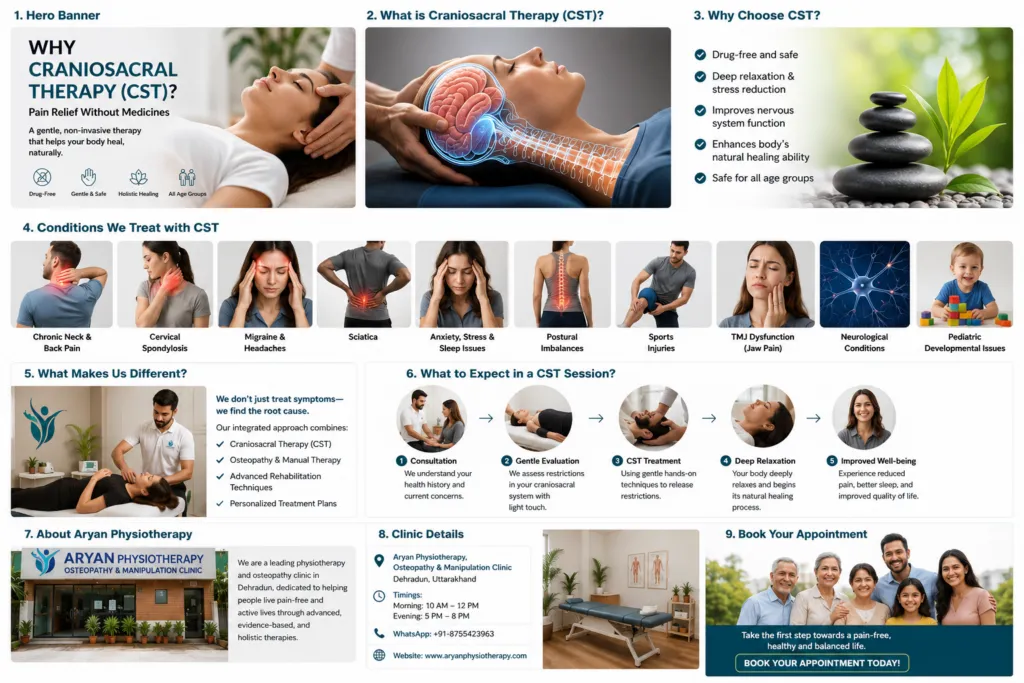
WHY Craniosacral Therapy (CST)?
A Gentle Yet Powerful Approach to Pain Relief & Nervous System Healing
By Aryan Physiotherapy, Osteopathy & Manipulation Clinic, Dehradun
Discover Natural Healing Without Medicines
Are you struggling with chronic pain, stress, migraines, poor sleep, anxiety, or unexplained body discomfort?
Modern lifestyles place constant stress on the nervous system. Many people continue taking medications for years without finding long-term relief. At Aryan Physiotherapy, Osteopathy & Manipulation Clinic, we focus on treating the root cause—not just masking symptoms.
One of the most effective and gentle therapies we use isCraniosacral Therapy (CST).
CST is a subtle, hands-on treatment approach that helps restore balance within the body, improve nervous system function, and activate the body’s own healing mechanisms.
Whether you are suffering from chronic pain, postural dysfunction, stress-related symptoms, or neurological issues, Craniosacral Therapy may help your body recover naturally.
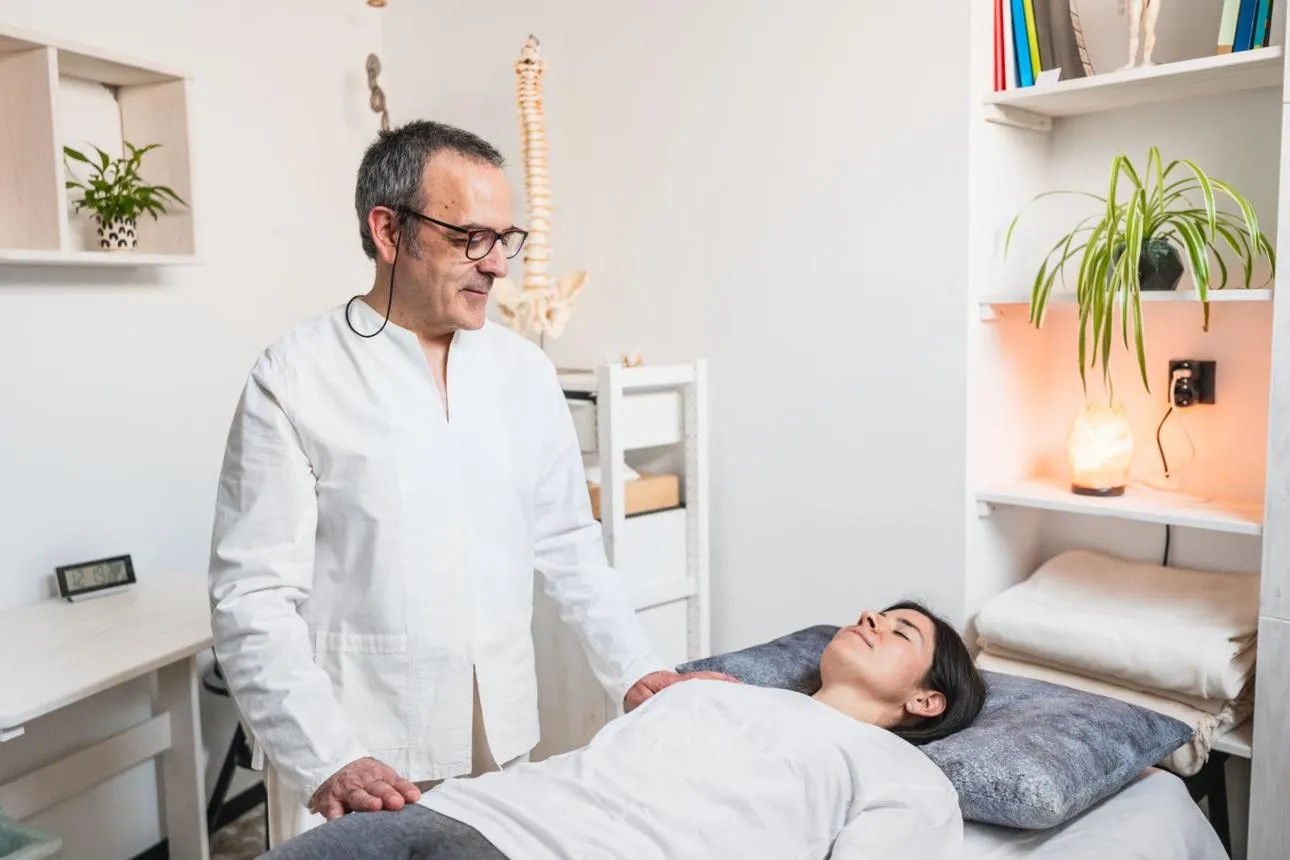
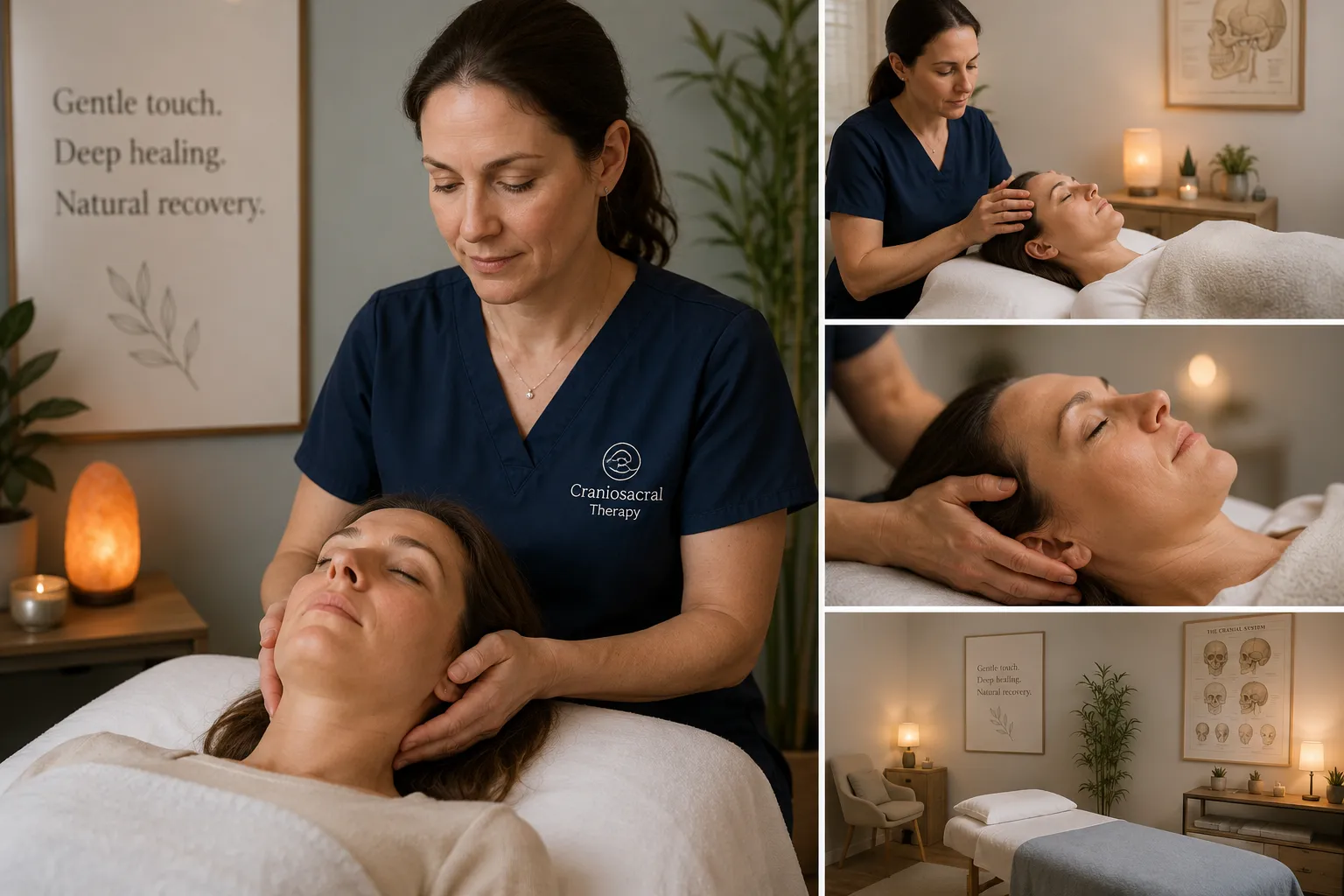
WHAT IS CRANIOSACRAL THERAPY (CST)?
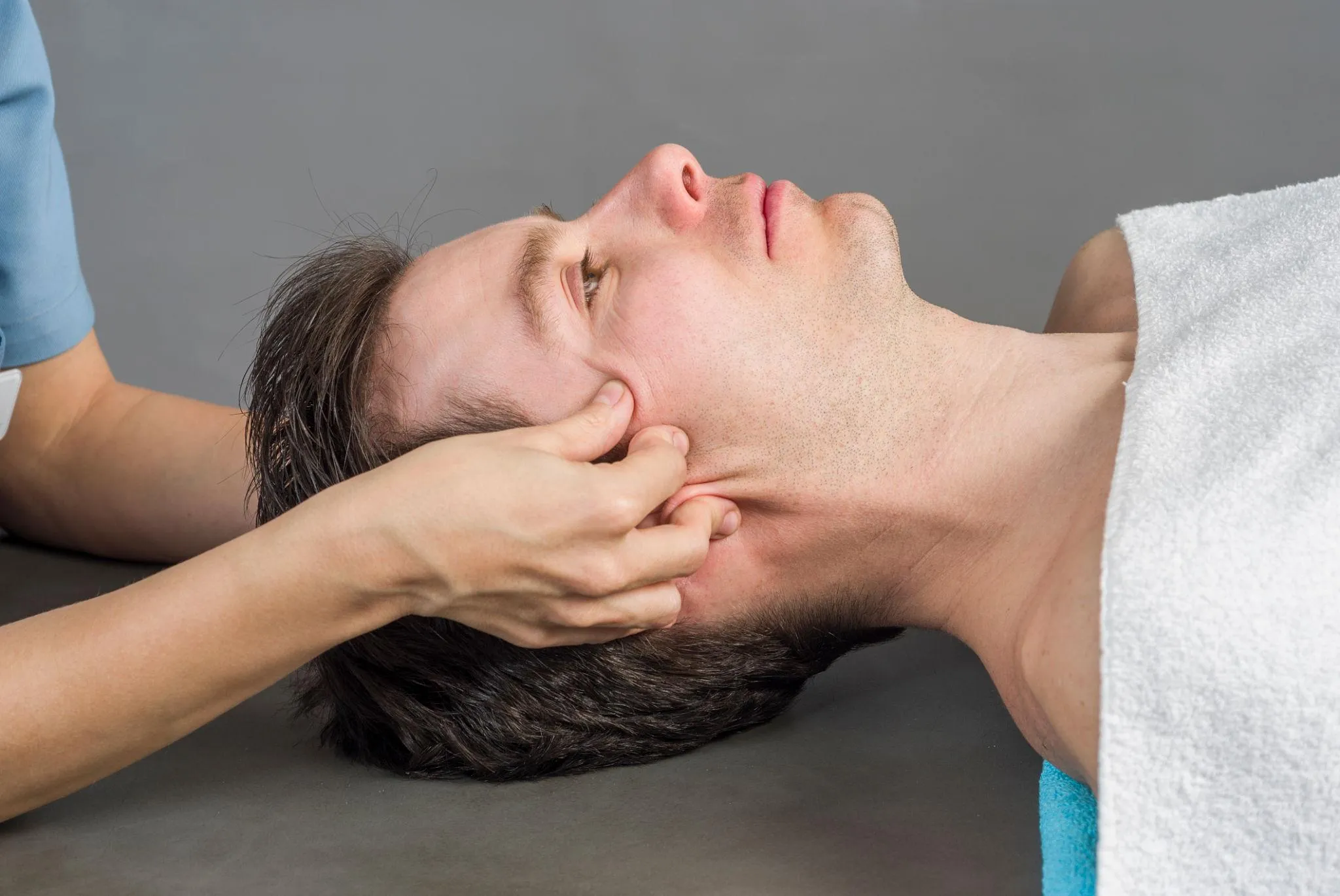
Craniosacral Therapy is a gentle manual therapy that works with the craniosacral system—the membranes and fluid surrounding the brain and spinal cord.
The therapy uses very light touch to detect and release restrictions in the body that may affect the nervous system, muscles, fascia, joints, and overall body function.
The craniosacral system plays a major role in:
- Nervous system regulation
- Stress response
- Pain processing
- Brain-body communication
- Sleep and relaxation
- Emotional balance
- Healing and recovery
When restrictions develop due to stress, injury, poor posture, emotional trauma, surgery, or repetitive strain, the body may begin to show symptoms such as pain, headaches, fatigue, tension, poor mobility, or chronic dysfunction.
CST aims to restore normal movement and balance within the body.
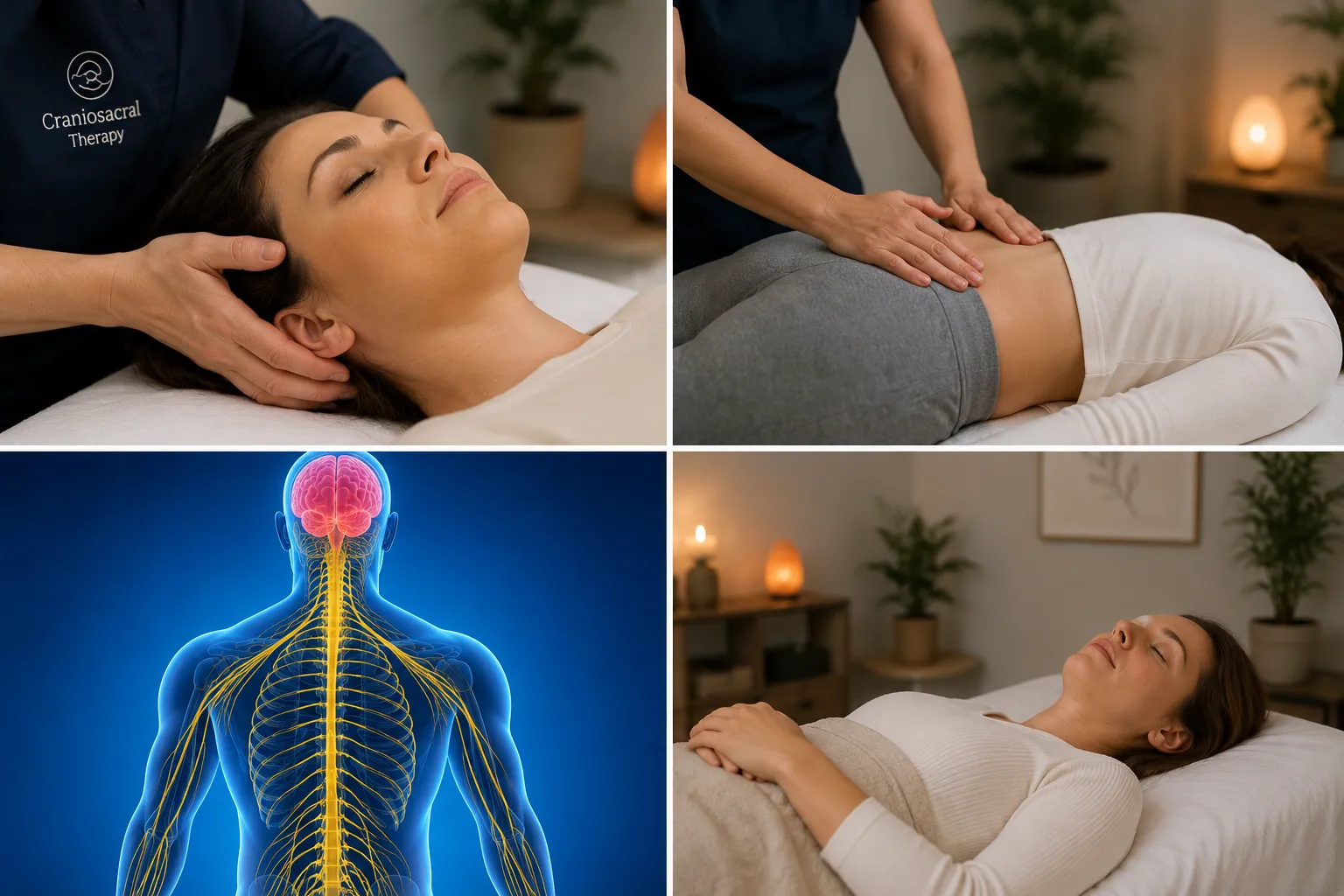
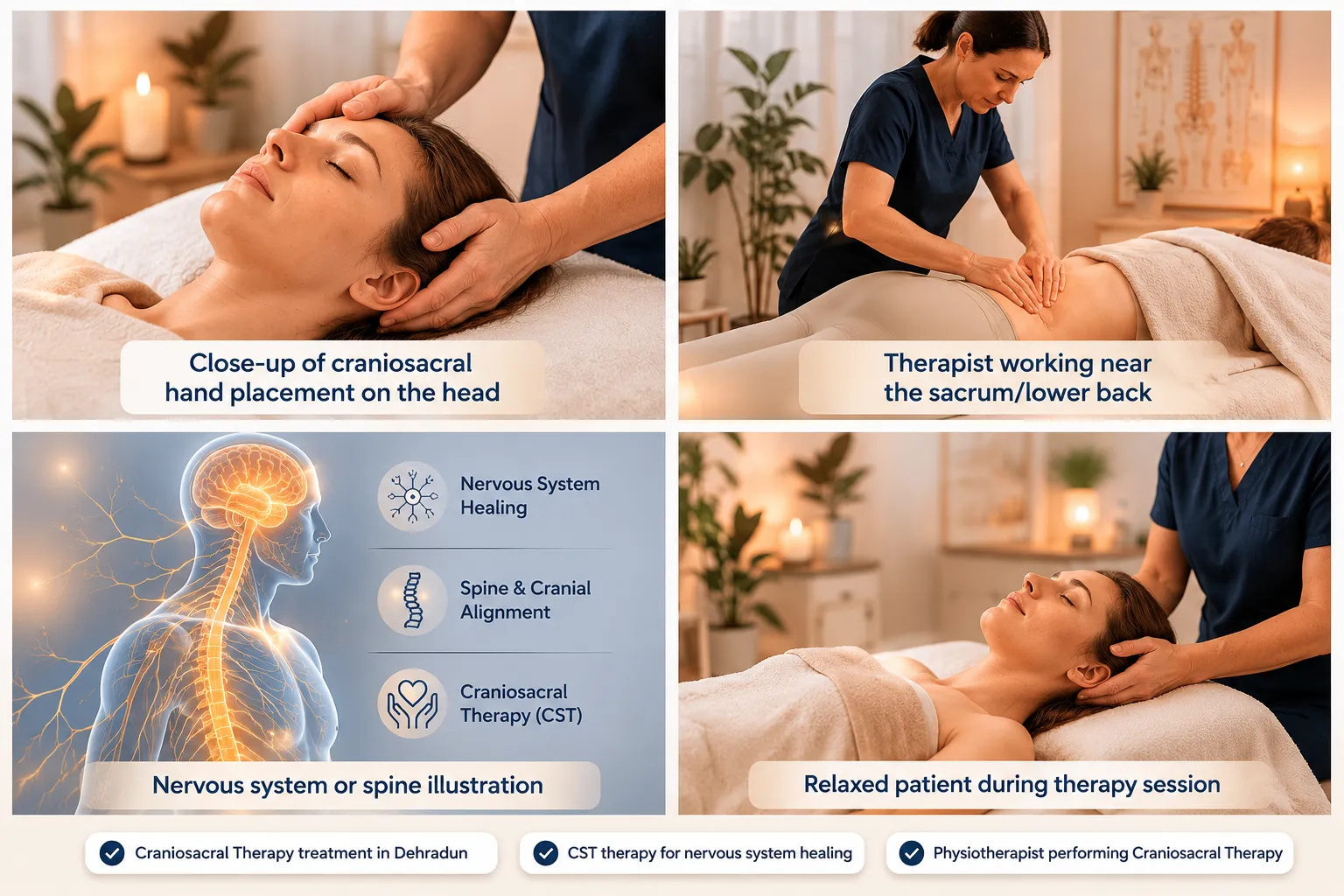
HOW DOES CST WORK?
The body has an incredible natural ability to heal itself. However, stress, injuries, inflammation, emotional tension, and poor movement patterns can interfere with this healing process.
Craniosacral Therapy helps by:
1. Releasing Fascial Restrictions
The fascia is the connective tissue that surrounds muscles, nerves, organs, and joints. Restrictions in fascia can create pain and movement limitations.
2. Calming the Nervous System
Many chronic pain conditions are associated with an overactive nervous system. CST encourages relaxation and supports parasympathetic nervous system activity.
3. Improving Circulation & Fluid Movement
Healthy movement of cerebrospinal fluid and tissues supports healing and recovery.
4. Reducing Stress & Tension
CST often produces deep relaxation, helping patients experience mental and physical relief.
5. Supporting Better Body Function
Improved nervous system regulation can positively affect posture, movement, sleep, pain levels, and energy.
BENEFITS OF CRANIOSACRAL THERAPY
Patients often choose CST because it is:
✔ Gentle and non-invasive ✔ Drug-free ✔ Safe for most age groups ✔ Deeply relaxing ✔ Holistic in approach ✔ Effective for chronic conditions
Common Benefits Include:
- Reduced neck and back pain
- Relief from headaches and migraines
- Better sleep quality
- Reduced anxiety and stress
- Improved mobility and posture
- Better nervous system regulation
- Reduced muscle tightness
- Enhanced recovery after injury
- Improved body awareness and relaxation
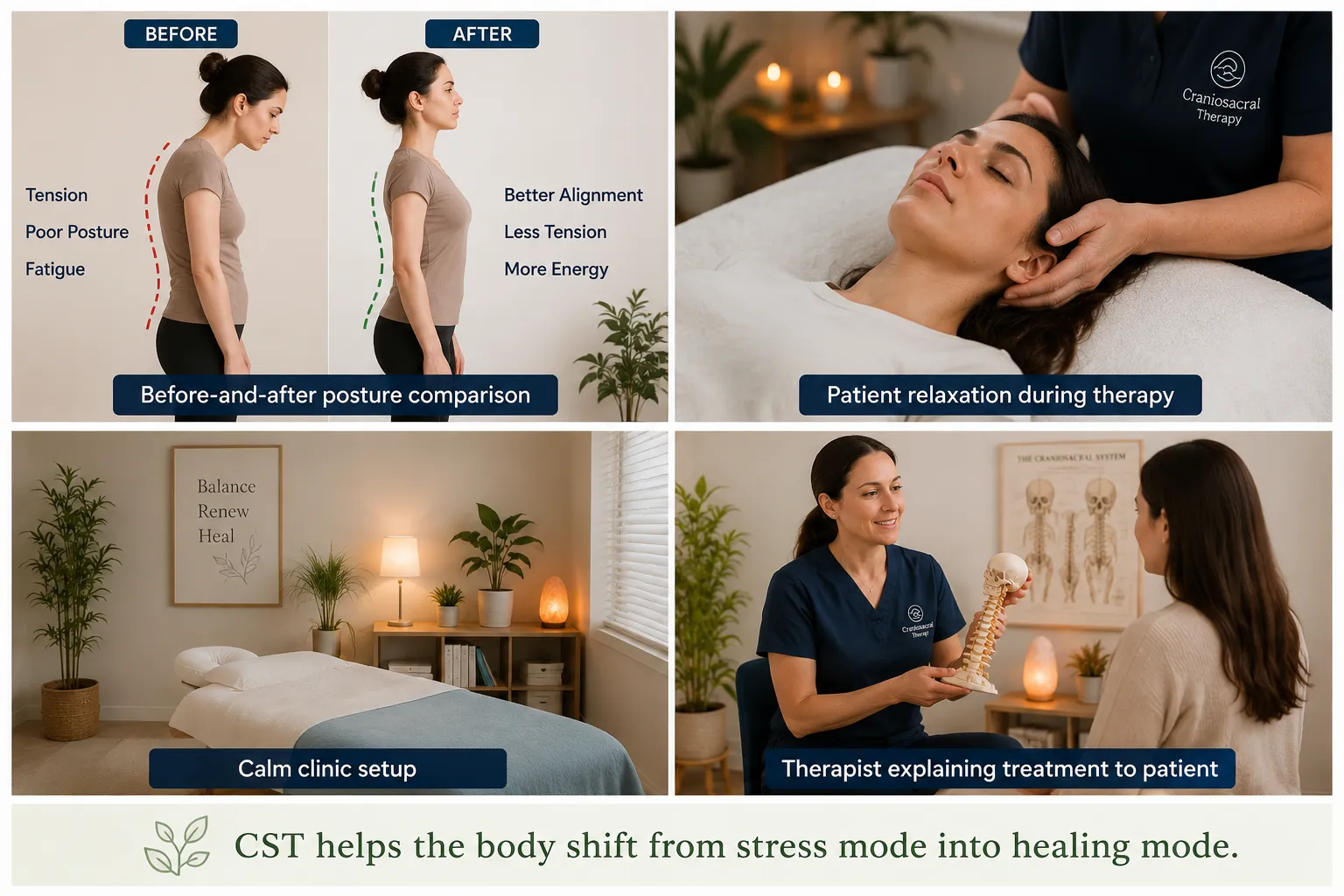
CONDITIONS THAT MAY BENEFIT FROM CST
At Aryan Physiotherapy Clinic, Craniosacral Therapy is commonly used as part of an integrated rehabilitation and recovery program.
Musculoskeletal Conditions
- Chronic neck pain
- Lower back pain
- Cervical spondylosis
- Sciatica
- TMJ dysfunction
- Shoulder pain
- Postural dysfunction
- Sports injuries
- Muscle tightness and tension
Neurological & Stress-Related Conditions
- Migraine and tension headaches
- Stress and anxiety
- Sleep disturbances
- Nervous system dysregulation
- Fatigue and burnout
Pediatric & Developmental Support
- Developmental concerns
- Stress-related tension patterns
- Postural issues
Recovery & Wellness
- Post-surgical recovery support
- General wellness and relaxation
- Stress management
- Recovery optimization for athletes
WHAT HAPPENS DURING A CST SESSION?
A typical Craniosacral Therapy session is calm, comfortable, and relaxing.
Step 1: Assessment
We begin with understanding your symptoms, posture, movement patterns, and lifestyle factors.
Step 2: Gentle Hands-On Therapy
The therapist uses light touch around areas such as:
- Head
- Neck
- Spine
- Sacrum
- Jaw
- Fascia and surrounding tissues
Step 3: Nervous System Relaxation
Many patients experience a deep sense of relaxation during the session.
Step 4: Personalized Recovery Plan
Depending on your condition, your treatment may also include:
- Osteopathy
- Manual therapy
- Corrective exercises
- Rehabilitation protocols
- Posture correction
- Breathing and relaxation strategies
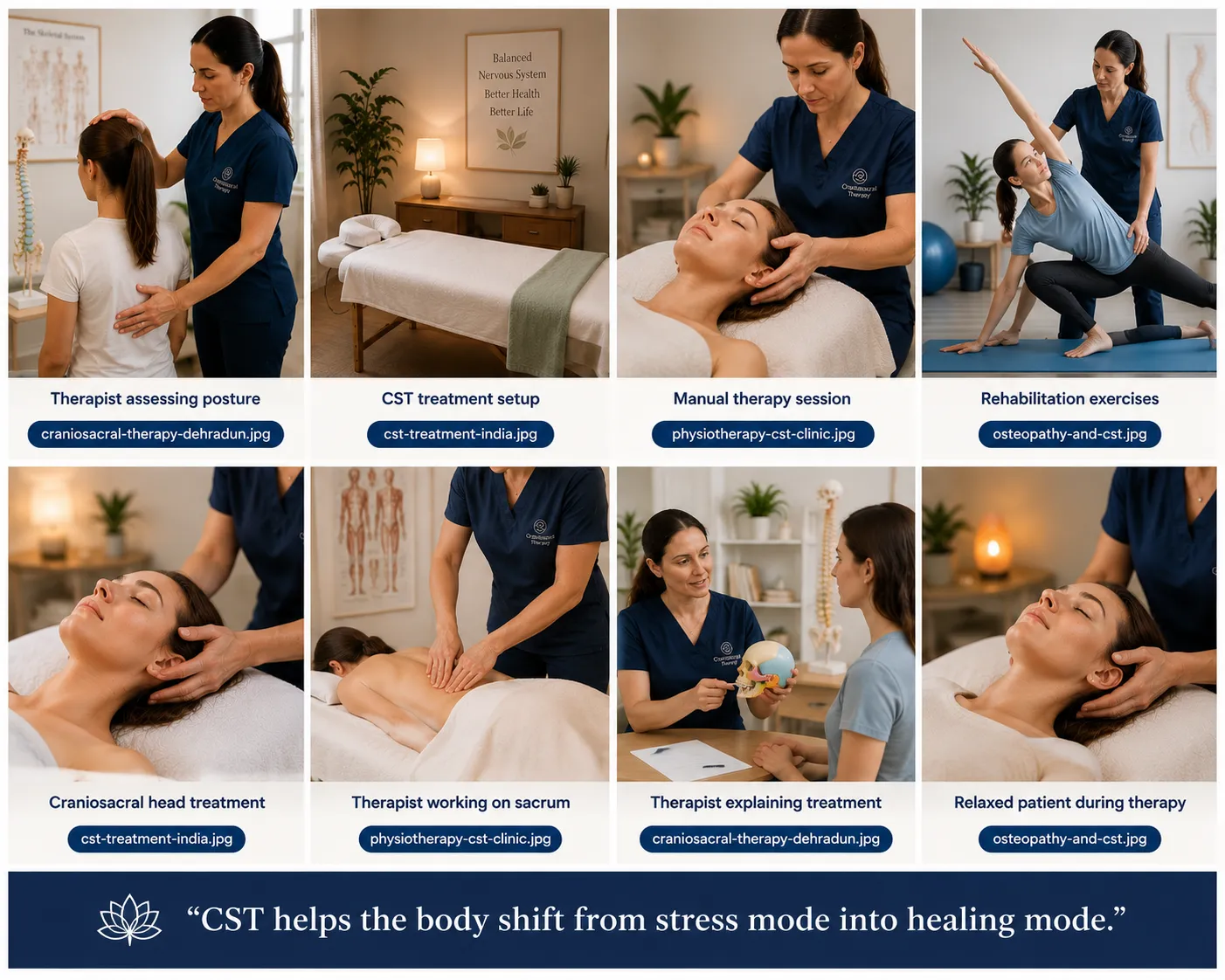
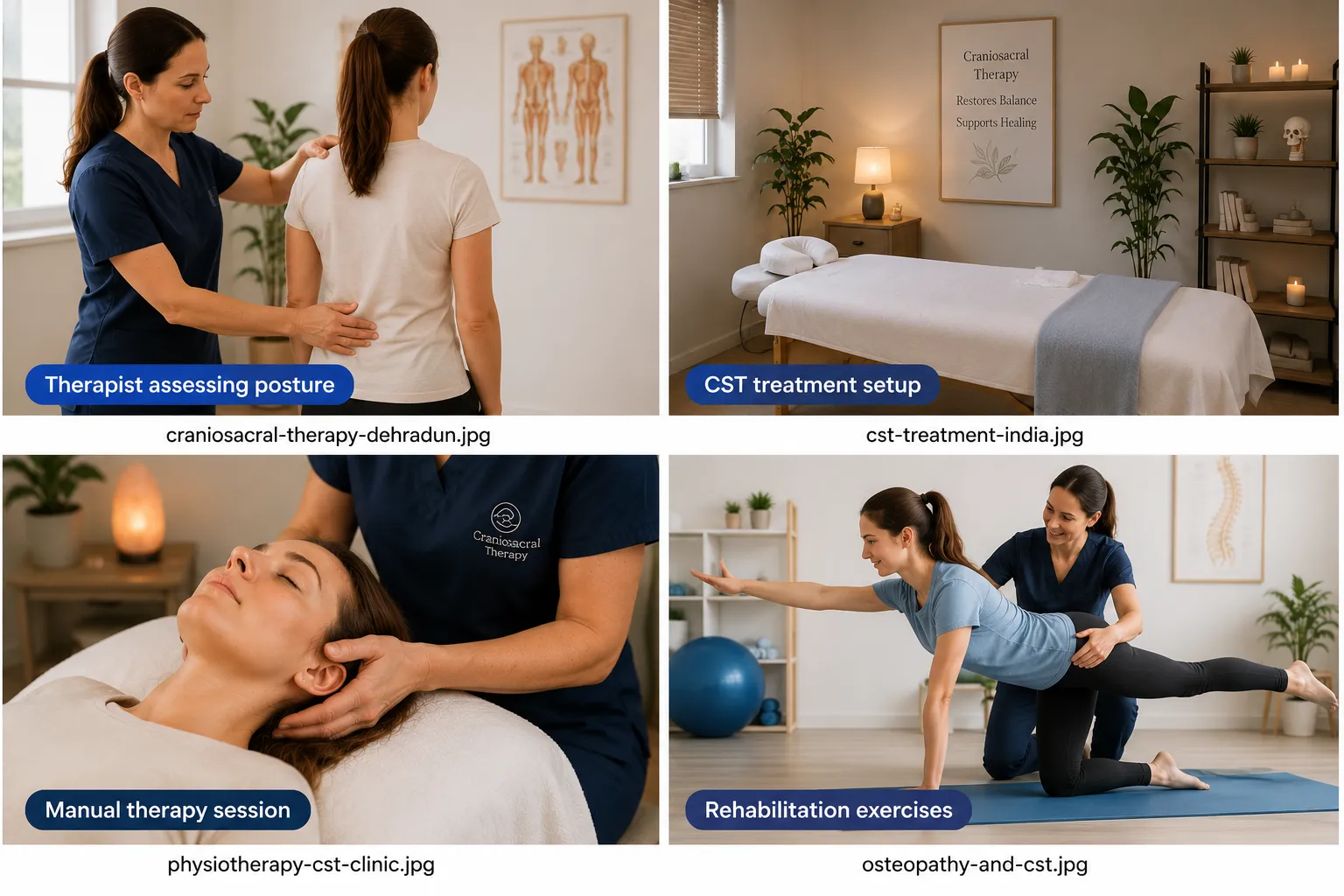
WHY CHOOSE ARYAN PHYSIOTHERAPY CLINIC?
At Aryan Physiotherapy, Osteopathy & Manipulation Clinic, we believe that every patient deserves personalized care.
We focus on identifying the root cause of dysfunction instead of simply treating symptoms.
Our Integrated Approach Includes:
Craniosacral Therapy (CST)
Gentle nervous system-focused healing techniques.
Osteopathy & Manual Therapy
Hands-on approaches to improve mobility and function.
Functional Rehabilitation
Movement-based recovery programs tailored to the patient.
Personalized Treatment Plans
Every condition and body is unique.
Advanced Recovery Approach
We combine modern rehabilitation with holistic care principles.
PATIENT EXPERIENCE
Many patients describe Craniosacral Therapy as:
- Deeply calming
- Relaxing
- Light yet powerful
- Different from traditional therapy
- Helpful for reducing stress and tension
Some patients notice immediate relaxation, while others experience gradual improvements over multiple sessions.
Consistency, proper assessment, and integrated rehabilitation are important for long-term results.
FREQUENTLY ASKED QUESTIONS (FAQ)
Is Craniosacral Therapy painful?
No. CST uses very gentle touch and is generally relaxing.
Is CST safe?
CST is considered a gentle, non-invasive therapy and is commonly used for stress reduction and pain management.
How many sessions are needed?
The number of sessions varies depending on the condition, severity, and overall health of the patient.
Can CST be combined with physiotherapy?
Yes. At our clinic, CST is often integrated with physiotherapy, osteopathy, rehabilitation, and movement correction.
Who can benefit from CST?
People dealing with chronic pain, stress, headaches, postural dysfunction, sports injuries, and nervous system-related symptoms may benefit.
References & Research Sources
Craniosacral Therapy & Osteopathy
1. Craniosacral Therapy
Author: John E. Upledger
One of the foundational books introducing CST concepts and techniques.2. Your Inner Physician and You
Focuses on self-healing mechanisms and CST philosophy.
3. SomatoEmotional Release and Beyond
Explores emotional and fascial components in CST.
4. Foundations of Osteopathic Medicine
Comprehensive osteopathic reference discussing cranial osteopathy principles.
5. Anatomy Trains
Important fascia-based movement and body connection reference widely used in rehabilitation.
6. Explain Pain
Excellent evidence-based pain science resource useful for explaining chronic pain and nervous system sensitization.
7. The Body Keeps the Score
Useful reference regarding stress, trauma, nervous system regulation, and body-mind interactions.
8. Fascia: What It Is and Why It Matters
Good fascia-focused resource for explaining connective tissue and movement.
SYSTEMATIC REVIEWS & RESEARCH PAPERS
1. 2024 Systematic Review on CST
“Is Craniosacral Therapy Effective? A Systematic Review and Meta-Analysis”
Authors: L. Ceballos-Laita et al. (2024)
Published in Healthcare (MDPI).
The review evaluated CST across multiple conditions and concluded evidence quality remains limited and heterogeneous.
2. CST for Chronic Pain
“Craniosacral Therapy for Chronic Pain: A Systematic Review and Meta-analysis of Randomized Controlled Trials”
Authors: Haller et al. (2019)
Published in BMC Musculoskeletal Disorders.
Reported possible improvements in pain and function in chronic pain patients, though study quality varied.
3. CST for Headache Disorders
“Clinical Effectiveness of Craniosacral Therapy in Patients with Headache Disorders”
Authors: Carrasco-Uribarren et al. (2024)
Found statistically significant but clinically limited changes in pain intensity with very low certainty evidence.
4. Earlier Systematic Review
“Craniosacral Therapy: A Systematic Review of the Clinical Evidence”
Author: Edzard Ernst (2012)
Concluded that evidence supporting CST effectiveness was insufficient at that time.
5. Classic Critical Review
“A Systematic Review of Craniosacral Therapy”
Authors: Green, Martin, Bassett & Kazanjian (1999)
Found insufficient scientific evidence and recommended stronger research methodology.
6. Osteopathic Craniosacral Techniques
“Effectiveness of Osteopathic Craniosacral Techniques”
Authors: Amendolara et al. (2024)
Recent systematic review examining craniosacral osteopathic techniques and randomized trials.
7. Neck & Back Pain Review
“Is Craniosacral Therapy Effective in the Reduction of Pain Intensity in Individuals with Non-Specific Neck and/or Back Pain?”
Author: Melissa A. Stefanosky (2019)
Reported reductions in pain intensity across reviewed RCTs.
PAIN SCIENCE & NERVOUS SYSTEM REFERENCES
These are excellent references to strengthen your blog scientifically without overclaiming CST-specific evidence.
1. Pain Neuroscience Education
“Explain Pain”
Authors: David Butler & Lorimer Moseley
Widely respected evidence-based pain science resource discussing:
- Chronic pain
- Nervous system sensitization
- Brain-body interaction
- Movement and recovery
2. Fascia Research
“Anatomy Trains”
Author: Thomas Myers
Important reference for:
- Fascial lines
- Movement patterns
- Postural chains
- Myofascial continuity
3. Stress & Nervous System
“The Body Keeps the Score”
Author: Bessel van der Kolk
Useful when discussing:
- Stress
- Trauma
- Nervous system dysregulation
- Emotional-body interactions
4. Meditation & Nervous System Regulation
Functional neuroimaging review showing meditation-related nervous system changes and brain regulation effects.
#nervous system regulation
#chronic pain rehabilitation
#manual therapy
#osteopathy
#fascia release
#stress recovery
#pain modulation
#holistic physiotherapy
#integrative rehabilitation
#drug-free pain management
#Bestphysiotherapyclinicdehradun